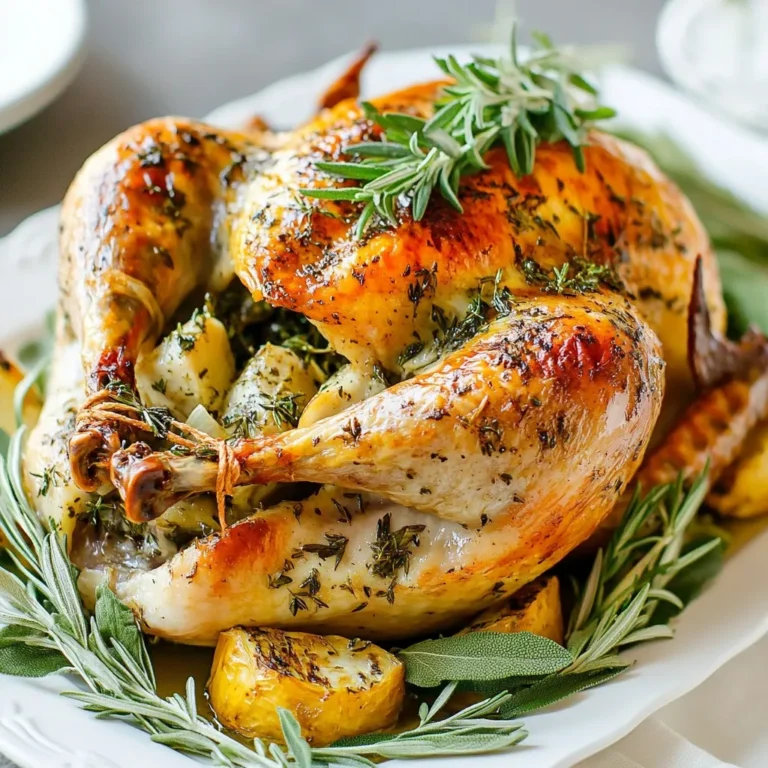
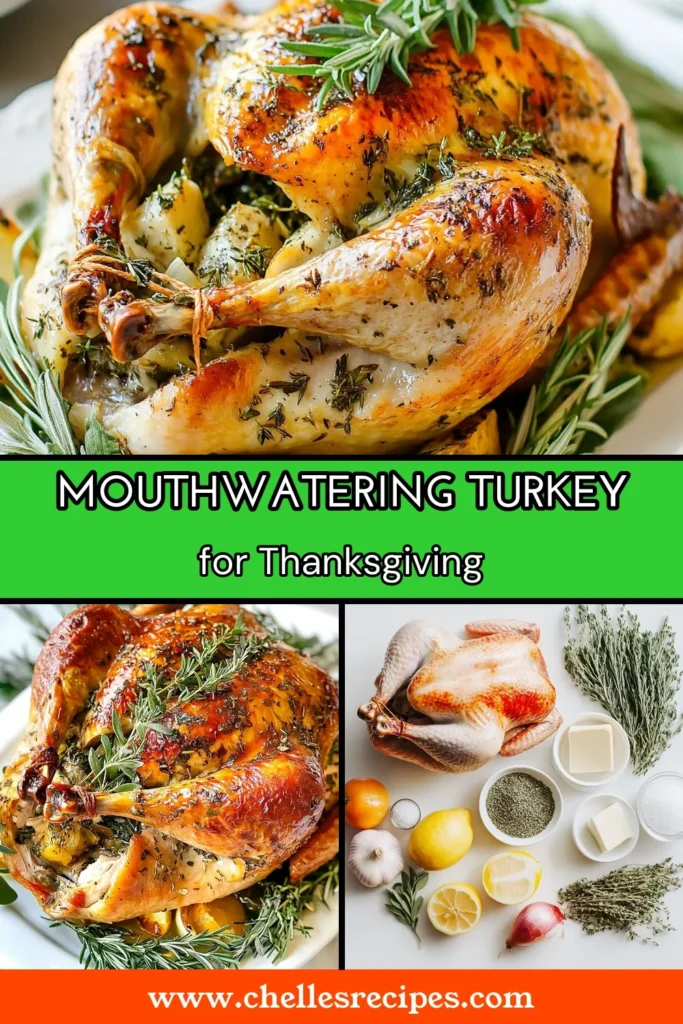
Thanksgiving is around the corner, and the perfect turkey can make your feast unforgettable. In this post, I’ll share my easy and foolproof recipe for a perfect Thanksgiving turkey. No matter if you’re a beginner or a pro, I’ll walk you through every step, from selecting the right turkey to cooking it just right. Join me as we create a turkey everyone will love!
Why I Love This Recipe
- Flavorsome Herbal Infusion: This recipe uses a blend of herbs that not only season the turkey but also enhance its natural flavors, making each bite deliciously aromatic.
- Moist and Juicy: By stuffing the turkey with fruits and herbs and adding broth to the pan, this method ensures a moist turkey that remains tender throughout.
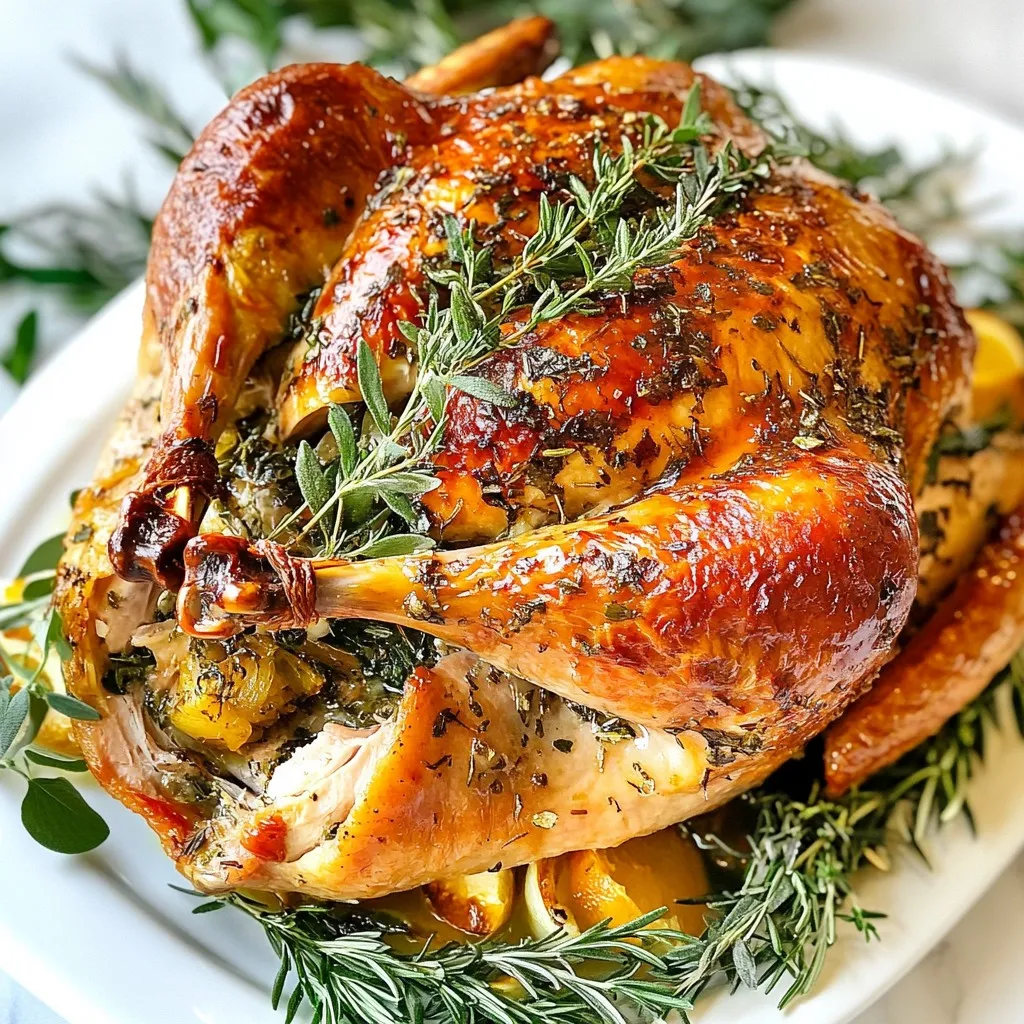
- Impressive Presentation: Carving the turkey and serving it on a large platter with fresh herbs and seasonal vegetables creates a stunning centerpiece for any Thanksgiving table.
- Family Tradition: This recipe is perfect for bringing family together during the holidays, creating lasting memories filled with warmth and joy.
Ingredients
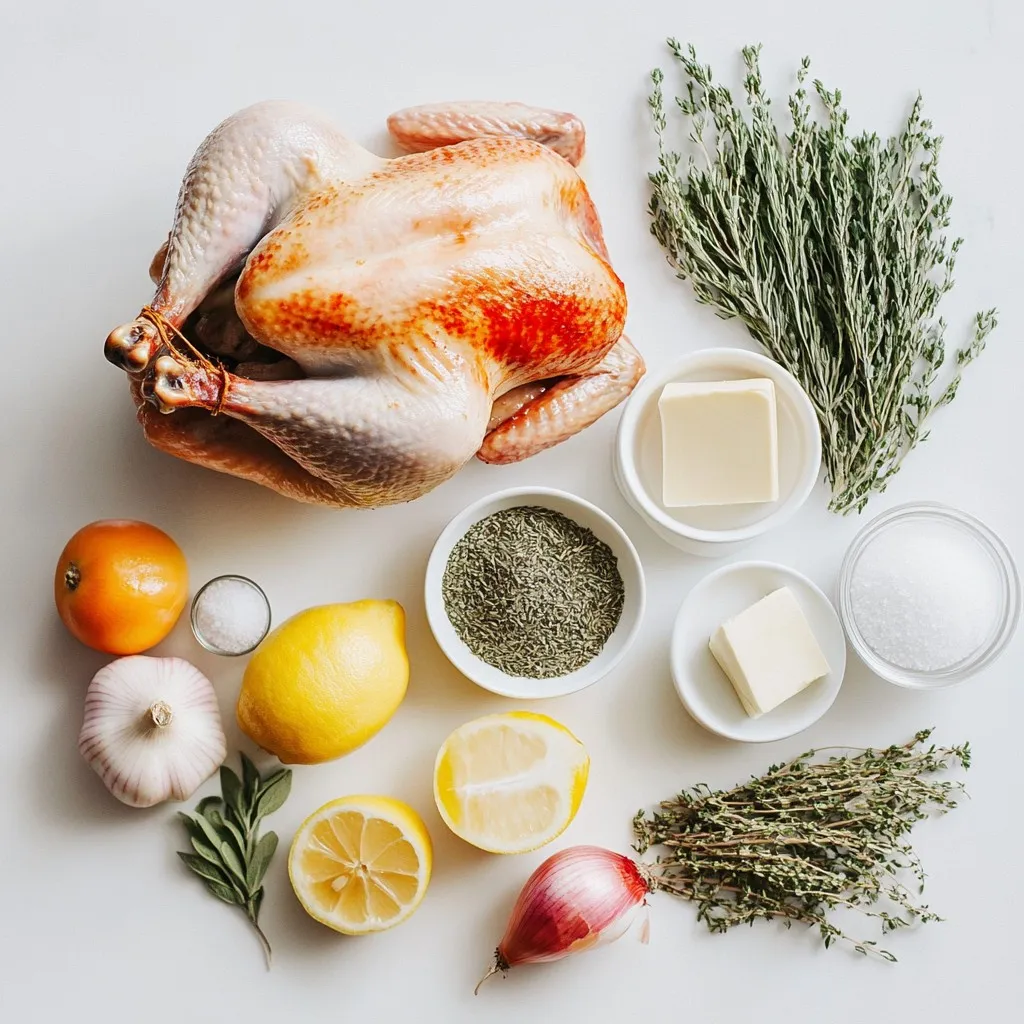
List of Ingredients
- 1 whole turkey (12-14 lbs), thawed
- 1 cup unsalted butter, softened
- 1 cup vegetable broth
- 1 tablespoon salt
- 1 tablespoon pepper
- 1 tablespoon garlic powder
- 1 tablespoon onion powder
- 2 teaspoons dried thyme
- 2 teaspoons dried rosemary
- 2 teaspoons dried sage
- 1 lemon, zested and quartered
- 1 onion, quartered
- 1 apple, quartered
- Fresh herbs (thyme, rosemary, and sage) for stuffing
- Cheesecloth (optional)
Choosing the Right Turkey Size
When choosing a turkey, think about your guests. A good rule is to plan for 1 to 1.5 pounds of turkey per person. For example, a 12-14 pound turkey will serve 10-12 people. Also, remember that a larger turkey means more leftovers, which many people love! Keep in mind the size of your oven and roasting pan too.
Suggested Substitutions
If you want to change up the butter, try using olive oil or vegan butter. They both add great flavor. For broth, chicken or turkey broth works well if you prefer. You can also swap out herbs based on your taste. Fresh herbs can bring a bright taste to the dish. Try using parsley or dill for a new twist.
Step-by-Step Instructions
Prepping Your Turkey
Start by removing the turkey from its packaging. Take out the giblets and neck. Rinse it under cold water. Pat the turkey dry with paper towels. This step helps the skin get crispy when cooking.
Preparing the Butter Mixture
In a bowl, mix together these ingredients:
- 1 cup unsalted butter, softened
- 1 tablespoon salt
- 1 tablespoon pepper
- 1 tablespoon garlic powder
- 1 tablespoon onion powder
- 2 teaspoons dried thyme
- 2 teaspoons dried rosemary
- 2 teaspoons dried sage
Gently loosen the skin of the turkey. Focus on the breast and thighs. Spread half of the butter mixture under the skin. Smooth it out. Rub the rest of the butter all over the outside of the turkey. This adds flavor and moisture.
How to Stuff the Turkey
In the cavity of the turkey, place:
- 1 lemon, quartered
- 1 onion, quartered
- 1 apple, quartered
- Fresh herbs (thyme, rosemary, and sage)
These ingredients will add moisture and flavor as the turkey cooks. They help make the meat taste great. This is an easy way to enhance your turkey’s taste.
Cooking Techniques
Roasting the Turkey
Roasting the turkey is the heart of your Thanksgiving meal. Start by preheating your oven to 325°F (165°C). This steady heat will cook your turkey evenly. Place the turkey breast-side up on a roasting rack. This helps the hot air circulate, cooking the turkey well. Use a roasting pan to catch drips and make gravy later.
Basting Tips for Moisture
Basting keeps your turkey moist and tasty. Every 30 minutes, use a ladle to pour broth from the pan over the turkey. This adds flavor and helps the skin turn golden brown. If you use cheesecloth, soak it in broth or butter and drape it over the turkey for the first half of cooking. This gives a nice, soft texture and helps keep moisture in.
Checking Internal Temperature
To ensure your turkey is safe to eat, check the internal temperature. Use a meat thermometer in the thickest part of the breast and thighs. The turkey is done when it reaches 165°F (74°C). This step is crucial for food safety. After cooking, let the turkey rest for at least 30 minutes. This helps the juices spread, making each bite juicy and delicious.
Pro Tips
- Butter Under the Skin: Ensuring to apply the herb butter mixture under the skin of the turkey helps keep the meat moist and flavorful during roasting.
- Use a Meat Thermometer: For perfectly cooked turkey, use a meat thermometer to check the internal temperature; it should reach 165°F (74°C) in the thickest part of the breast and thighs.
- Let it Rest: Allow the turkey to rest for at least 30 minutes after roasting. This step is crucial for juicy meat, as it allows the juices to redistribute throughout the turkey.
- Flavorful Gravy: Don’t forget to use the drippings from the roasting pan to make a delicious gravy. Scrape up the browned bits for extra flavor!
Tips & Tricks
Ensuring a Juicy Turkey
To make sure your turkey is juicy, start with butter. Rub it all over the turkey. This helps lock in moisture. Use a mix of garlic powder, onion powder, and herbs for flavor. Make sure to get the butter under the skin too. This is key for juicy meat. Also, stuff the turkey with lemon, onion, and apple. These add extra moisture during cooking.
Common Troubleshooting
If your turkey is dry, check the cooking time. Overcooking is a common mistake. Use a meat thermometer to check the thickest part of the breast. It should read 165°F (74°C). If you find your turkey is dry, try basting it. Every 30 minutes, pour some broth from the pan over it. This helps keep it moist. If you have leftovers, add gravy to keep the meat juicy.
Use of Cheesecloth for Perfect Browning
Cheesecloth can help achieve a nice brown color. Soak it in broth or butter, then place it over the turkey. Do this for the first half of cooking. This prevents the skin from burning. After that, remove the cheesecloth for the last part of cooking. This allows the skin to get crispy and golden. Using cheesecloth is a fun trick for a beautiful turkey.
Variations
Herb Variations
You can switch up the herbs to change the flavor. Instead of thyme, rosemary, and sage, try using basil, oregano, or parsley. Each herb offers a unique taste. For a fresh twist, add dill or tarragon. These herbs work well with turkey and can make your dish stand out. Experimenting with different herbs adds a personal touch to your meal.
Flavor Enhancements
Want to boost the flavor of your turkey? Think about adding citrus. Lemon and orange zest can brighten the taste. You can also stuff the turkey with citrus slices. This helps keep the meat juicy and flavorful. Additionally, consider using apple juice or cranberry juice in the broth. These options add sweetness and depth to the turkey’s flavor.
Cooking Methods
You can cook your turkey in different ways. Roasting is the most common method, but smoking and deep-frying are popular too. Smoking gives the turkey a rich, smoky flavor. It takes longer but is worth the wait. Deep-frying cooks the turkey quickly and makes the skin crispy. Just ensure you follow safety rules when using hot oil. Each method offers a fun twist on a classic dish.
FAQs
How long to cook a turkey per pound?
Cook your turkey for about 13-15 minutes per pound. For example, if your turkey weighs 14 pounds, plan for about 3 to 3.5 hours in the oven. Always check the internal temperature. It should reach 165°F in the thickest part of the breast and thighs. This ensures your turkey is safe to eat and juicy.
What is the best way to thaw a frozen turkey?
The best way to thaw a turkey is in the fridge. Plan for 24 hours of thawing time for every 4-5 pounds of turkey. For a 12-14 pound turkey, this means about 3 days in the fridge. If you need a faster method, you can use cold water. Submerge the turkey in its packaging in cold water. Change the water every 30 minutes. This method takes about 30 minutes per pound.
Can I prepare the turkey the night before?
Yes, you can prep your turkey the night before. You can season it and stuff it, then cover it in the fridge. This allows the flavors to soak in overnight. Just be sure to keep it chilled until you’re ready to cook. This saves time on the big day and helps you serve a tasty turkey!
You now have a clear path to cook a delicious turkey. We covered key ingredients, how to prep and stuff your turkey, and cooking techniques. You learned tips for ensuring juiciness and common issues to watch for. We also discussed variations and answered your burning questions.
With this guide, you can create a tasty, impressive dish. Cooking turkey can be simple with the right tools and knowledge. Enjoy the process and the tasty result
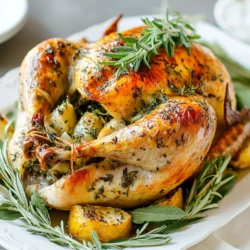
Thanksgiving Turkey Delight
Ingredients
- 1 whole turkey (12-14 lbs), thawed
- 1 cup unsalted butter, softened
- 1 cup vegetable broth
- 1 tablespoon salt
- 1 tablespoon pepper
- 1 tablespoon garlic powder
- 1 tablespoon onion powder
- 2 teaspoons dried thyme
- 2 teaspoons dried rosemary
- 2 teaspoons dried sage
- 1 whole lemon, zested and quartered
- 1 whole onion, quartered
- 1 whole apple, quartered
- handful fresh herbs (thyme, rosemary, and sage) for stuffing
- 1 cheesecloth (optional)
Instructions
- Preheat your oven to 325°F (165°C).
- Remove the turkey from its packaging, complete with the giblets and neck. Rinse the turkey under cold water and pat it dry with paper towels.
- In a bowl, mix together the softened butter, salt, pepper, garlic powder, onion powder, thyme, rosemary, and sage. Gently loosen the skin of the turkey, especially on the breast and thighs, and carefully spread half of the herb butter mixture under the skin, smoothing it out. Rub the remaining butter all over the outside of the turkey.
- In the cavity of the turkey, place the quartered lemon, onion, apple, and a handful of fresh herbs. This will infuse moisture and flavor into the meat.
- Pour the vegetable broth into the bottom of the roasting pan to keep the turkey moist during cooking and to create a flavorful base for gravy.
- Place the turkey breast-side up on a roasting rack in the pan. If desired, cover the breast with cheesecloth soaked in broth or butter for the first half of the cooking time to prevent over-browning.
- Roast the turkey in the preheated oven. As a general rule of thumb, roast for about 13-15 minutes per pound, or until the internal temperature reaches 165°F (74°C) in the thickest part of the breast and thighs.
- Every 30 minutes, baste the turkey with the broth from the pan for added moisture and flavor.
- Once fully cooked, remove the turkey from the oven and let it rest for at least 30 minutes before carving. This allows the juices to redistribute and results in a juicier turkey.
- Carve the turkey using a sharp knife and serve with your favorite Thanksgiving sides.