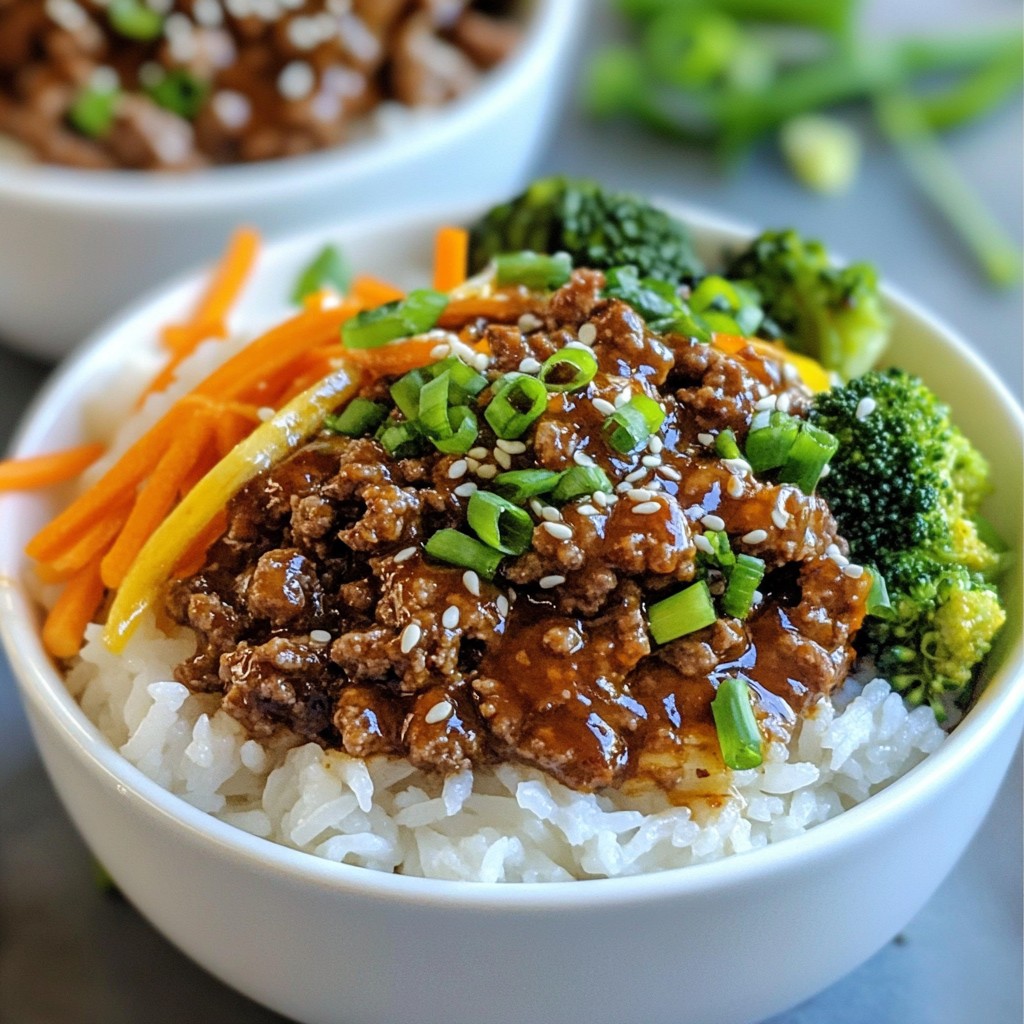
Craving a dish that packs a punch in flavor? You're in the right place! My Spicy Korean Beef Bowls recipe is not just easy to make; it's bursting with bold tastes that will excite your taste buds. With just a few simple ingredients, you can whip up a meal that feels like a treat. Dive into this vibrant recipe, and let's cook something delicious together!
Why I Love This Recipe
- Bold Flavors: This recipe combines the savory taste of beef with the spicy kick of gochujang, creating a mouthwatering dish that excites your palate.
- Quick and Easy: With just 25 minutes from start to finish, it's perfect for busy weeknights when you crave something delicious without spending hours in the kitchen.
- Customizable: You can easily swap out the vegetables or adjust the spice level to suit your preferences, making it a versatile meal for everyone.
- Healthy and Nourishing: Packed with veggies and lean protein, this dish not only satisfies your hunger but also provides essential nutrients for a balanced meal.
Ingredients
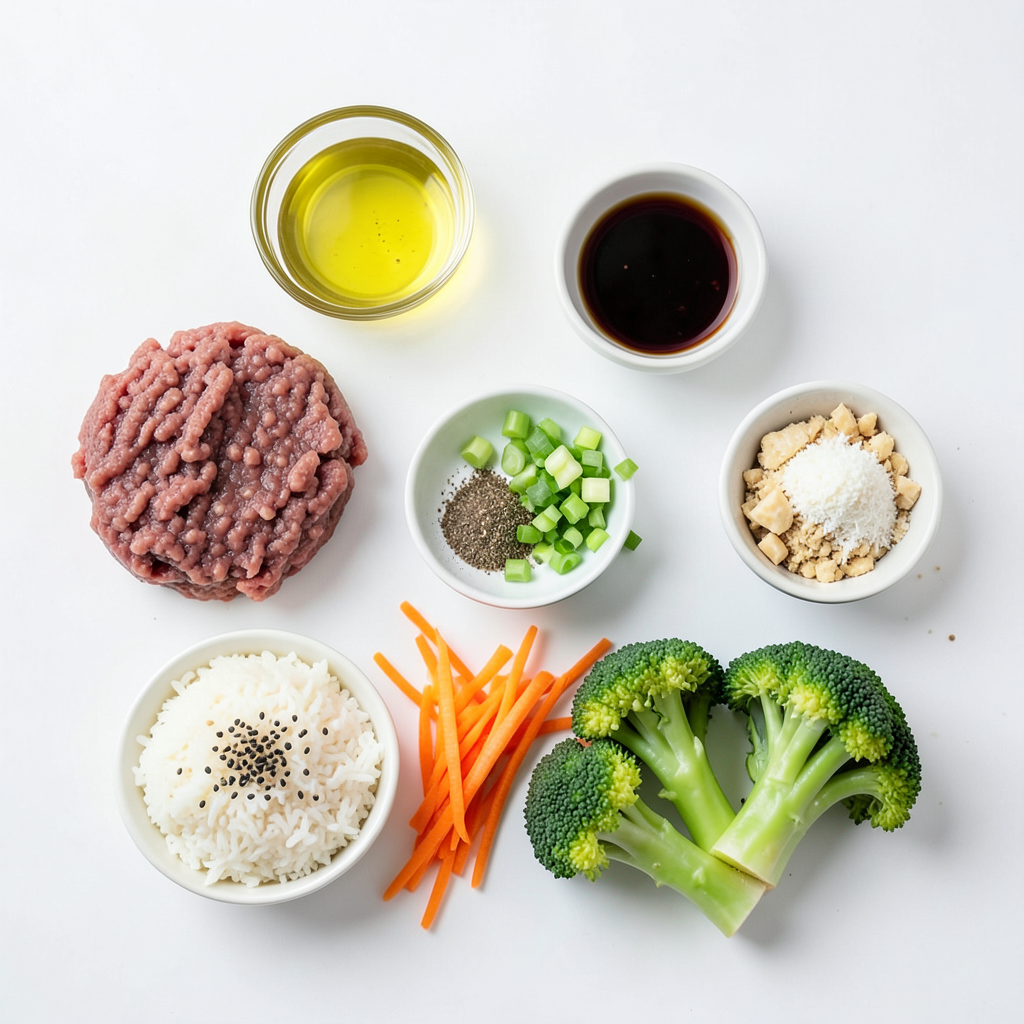
Here’s what you'll need for your Spicy Korean Beef Bowls:
- 1 lb (450g) ground beef
- 1 tablespoon vegetable oil
- 4 cloves garlic, minced
- 1 inch ginger, grated
- 3 tablespoons soy sauce
- 2 tablespoons gochujang (Korean chili paste)
- 1 tablespoon sesame oil
- 1 tablespoon sugar
- 1/2 teaspoon black pepper
- 1 cup chopped green onions (scallions)
- 2 cups cooked jasmine rice
- 1 cup shredded carrots
- 1 cup steamed broccoli
- Sesame seeds for garnish
Each ingredient plays a role in making this dish full of flavor. The ground beef gives a hearty base. Garlic and ginger add a nice kick. Gochujang provides that signature spice. Soy sauce brings umami, while sesame oil adds a nutty touch. Sugar balances the heat for a delicious mix. The veggies and rice make it a complete meal.
Step-by-Step Instructions
Cooking the Beef
- Heat the oil in a large skillet over medium-high heat.
- Add the ground beef and cook until it’s brown.
- Break apart the beef with a spatula as it cooks.
Adding Aromatics
- Once the beef is browned, stir in minced garlic and grated ginger.
- Sauté for about one minute. This makes the kitchen smell great!
Creating the Sauce
- In a bowl, whisk together soy sauce, gochujang, sesame oil, sugar, and black pepper.
- Pour this sauce over the beef mixture in the skillet.
- Cook for another two to three minutes. Make sure the beef is well coated.
Preparing Rice and Vegetables
- While the beef cooks, make your jasmine rice according to the package instructions.
- Steam the broccoli until it's bright green and tender.
Assembling the Bowls
- In serving bowls, place a scoop of jasmine rice at the bottom.
- Top with a generous portion of the spicy beef.
- Add shredded carrots and steamed broccoli on top.
Garnishing the Dish
- Sprinkle chopped green onions and sesame seeds over each bowl.
- This adds flavor and a nice crunch to your dish.
Tips & Tricks
Ingredient Substitutions
You can switch ground beef for other proteins. Ground turkey works well and has less fat. You can also use tofu for a vegetarian option. This makes the dish lighter but still tasty. For soy sauce, consider low-sodium options. This helps reduce salt intake while keeping flavor.
Adjusting Spice Levels
Gochujang is the key to spice in this dish. If you want less heat, use less gochujang. You can start with one tablespoon, then taste. If it’s too spicy, you can add more sugar. Sugar balances heat and adds a sweet touch.
Presentation Enhancements
Serving your spicy beef bowls in colorful bowls makes the meal pop. Bright colors make food look more appealing. Drizzle sesame oil on top for a nice shine. This little touch makes the dish look gourmet and fancy.
Pro Tips
- Use Fresh Ingredients: Always use fresh garlic and ginger to enhance the flavor of the dish. Fresh aromatics make a significant difference in taste.
- Adjust the Spice Level: If you prefer a milder dish, reduce the amount of gochujang or add more sugar to balance the heat.
- Customize Your Veggies: Feel free to substitute or add vegetables based on your preference or what you have on hand, such as bell peppers or snap peas.
- Meal Prep Friendly: This dish is great for meal prep! Make a larger batch and store in the fridge or freezer for quick meals throughout the week.
Variations
Vegetarian Version
You can make a tasty vegetarian version of Spicy Korean Beef Bowls. Use plant-based meat or mushrooms instead of ground beef. For a meaty texture, try using shiitake mushrooms. Simply chop them and cook them like you would the beef. You can still use garlic, ginger, and your sauce mix to keep the flavor strong.
Adding Additional Veggies
Adding more veggies boosts flavor and nutrition. Try bell peppers, snap peas, or bok choy. Slice the bell peppers thinly and add them when you cook the beef. For snap peas, toss them in during the last minute of cooking. Bok choy can be steamed and served on top of your bowl. Each veggie adds a nice crunch!
Serving Suggestions
Serving your Spicy Korean Beef Bowls with kimchi or pickled radishes brings extra flavor. Kimchi adds a spicy, tangy kick. Pickled radishes offer a sweet crunch that balances the heat. You can place these on the side or right on top of your bowl for a fun touch!
Storage Info
Refrigeration Guidelines
To keep your Spicy Korean Beef Bowls fresh, store leftovers in airtight containers. This helps prevent spoiling and keeps the flavors intact. You can safely refrigerate them for up to three days. Be sure to cool the beef mixture before sealing the containers to avoid steam buildup.
Freezing Instructions
For longer storage, you can freeze the beef mixture. First, let it cool completely. Then, place it in freezer-safe bags or containers. Remove as much air as possible to prevent freezer burn. You can keep it in the freezer for up to three months. When ready to eat, thaw it overnight in the fridge before reheating.
Reheating Tips
To reheat the beef mixture, use a skillet over medium heat. Stir frequently to warm it evenly. If the beef is dry, add a splash of water or broth. You can also microwave it in short intervals, stirring in between, until hot. This way, you ensure the beef stays juicy and tasty.
FAQs
How can I make Spicy Korean Beef Bowls less spicy?
To reduce the heat, you can use less gochujang. Start with one tablespoon instead of two. You can also add more sugar to balance the spice. Adding extra carrots or broccoli helps too. These veggies can soak up some of the heat and add flavor.
Can I use other types of rice?
Yes, you can use different rice. Brown rice is a great option, as it adds more fiber. Sushi rice can work too; it’s sticky and holds well. Quinoa is another great choice for a protein boost. Just make sure to cook it according to the package instructions.
What is gochujang and where can I find it?
Gochujang is a Korean chili paste. It adds heat and depth to dishes. You can find it at Asian grocery stores or in the international aisle of most supermarkets. Online shopping is also a great option for hard-to-find ingredients. Look for brands that have simple ingredients for the best flavor.
How long can Spicy Korean Beef Bowls be stored?
In the fridge, the Spicy Korean Beef Bowls last about three days. Keep leftovers in airtight containers to keep them fresh. For longer storage, freeze them for up to three months. Just be sure to thaw them in the fridge before reheating.
Can I make this recipe ahead of time?
Yes, you can prep this dish ahead of time. Cook the beef and store it in the fridge. You can cook the rice and veggies just before serving. This way, everything stays fresh and tasty. You can also make the full dish and reheat it when you’re ready to eat.
This guide walked you through making delicious Spicy Korean Beef Bowls. We covered every step, from preparing the beef to garnishing your dish. I shared tips for adjusting spice levels and suggested fun variations to keep things fresh.
These bowls are not only tasty but also versatile. You can easily modify them to suit your taste. Enjoy experimenting with different ingredients and flavors. Your kitchen will soon be a hub of tasty meals!