
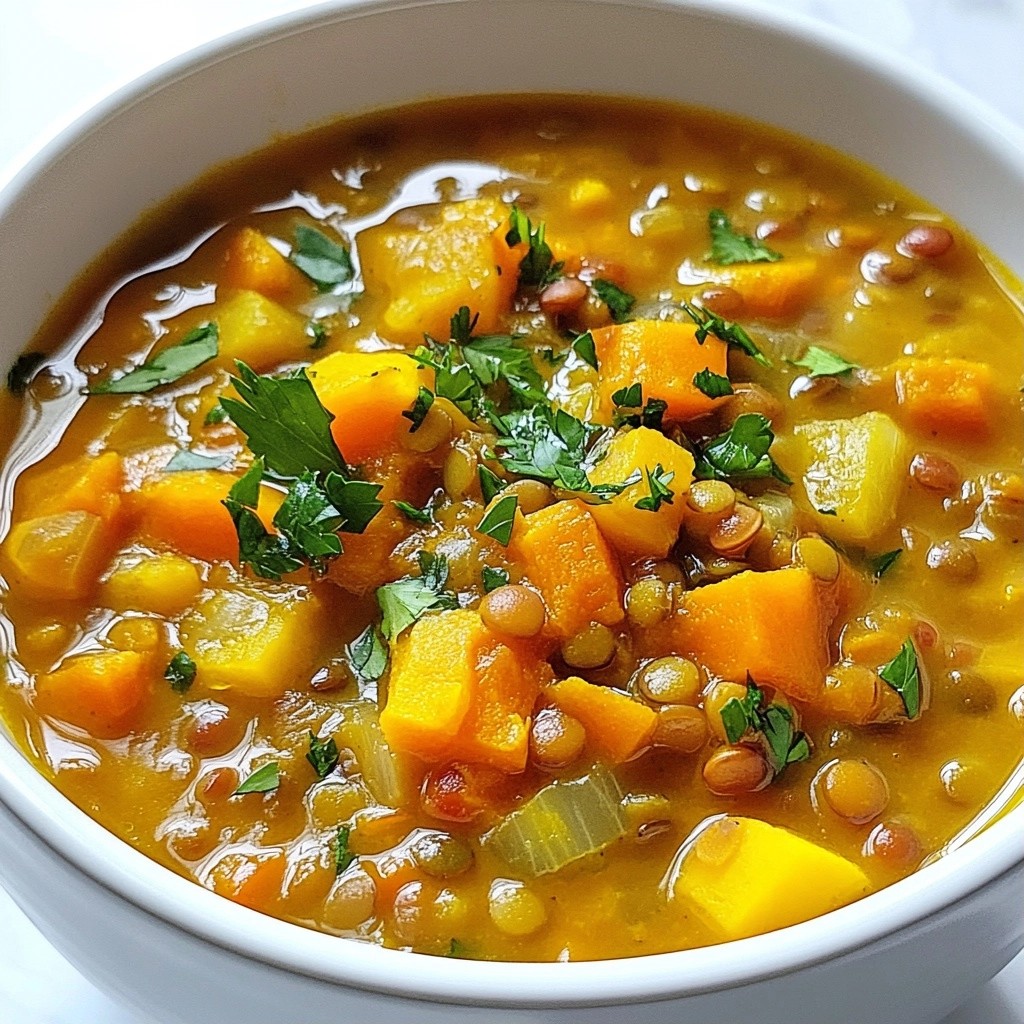
Looking for a warm and hearty meal? This Rich Slow Cooker Butternut Squash Lentil Soup is your answer! I’ll guide you through each step to create a creamy, delicious soup that fills you up and warms you from the inside out. With simple ingredients and easy instructions, you’ll have a comforting dish ready to enjoy. Let’s dive in and make this soup a staple in your kitchen!
Why I Love This Recipe
- Comforting Warmth: This soup is perfect for chilly days, providing a cozy and hearty meal that warms you from the inside out.
- Nutrient-Rich Ingredients: Packed with butternut squash and lentils, this dish is loaded with vitamins, minerals, and protein, making it a healthy choice.
- Easy Preparation: With straightforward steps and a slow cooker, this recipe is simple and convenient, allowing you to set it and forget it.
- Delicious Flavors: The combination of spices like cumin and smoked paprika brings depth and warmth, making every spoonful a delightful experience.
Ingredients
List of Ingredients
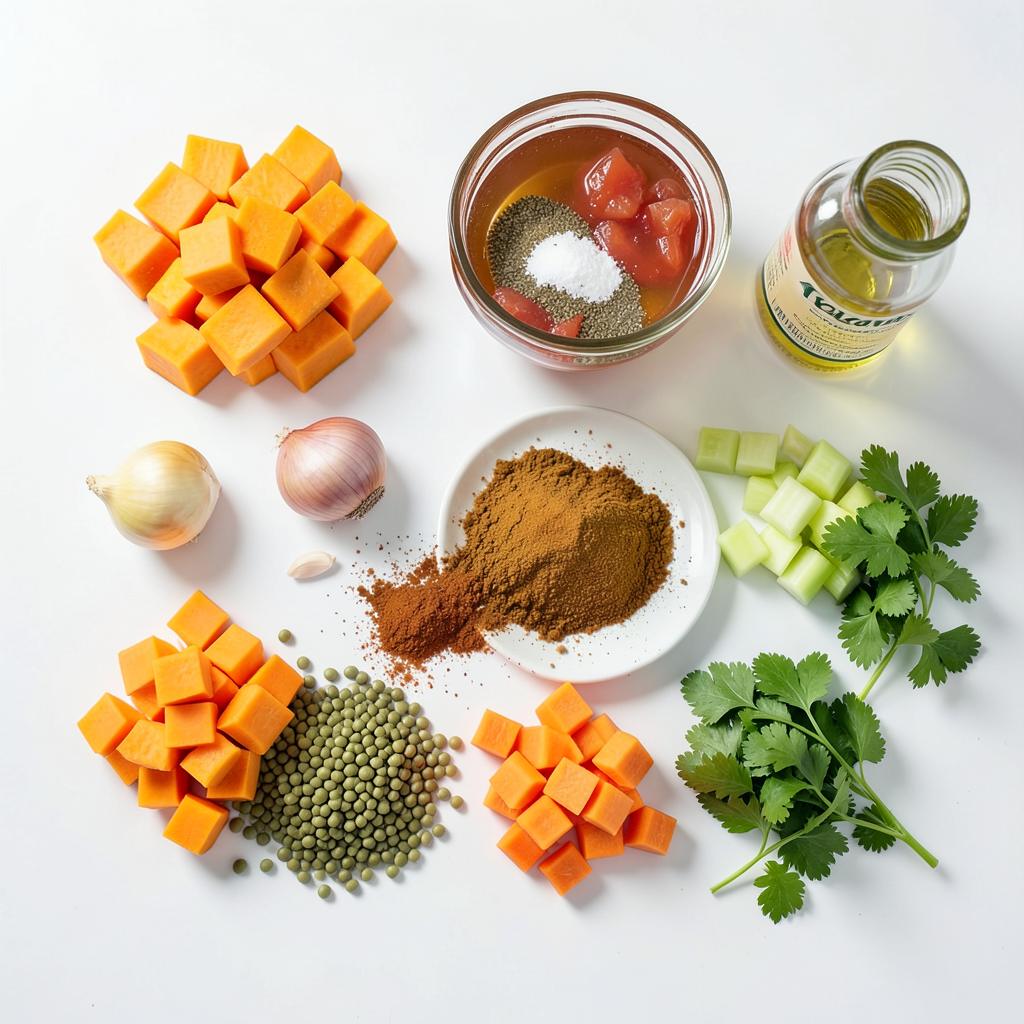
- 1 medium butternut squash, peeled and diced
- 1 cup green or brown lentils, rinsed
- 1 large onion, chopped
- 3 cloves garlic, minced
- 2 carrots, diced
- 2 celery stalks, diced
- 1 can (14 oz) diced tomatoes
- 6 cups vegetable broth
- 1 teaspoon ground cumin
- 1 teaspoon smoked paprika
- ½ teaspoon ground turmeric
- Salt and pepper to taste
- 2 tablespoons olive oil
- Fresh parsley, for garnish
Measurement Notes
I recommend using standard measuring cups for accuracy. When you measure lentils, rinse them well. This removes any dust or debris. For the butternut squash, aim for uniform pieces. This helps it cook evenly.
Fresh vs. Canned Ingredients
Fresh vegetables bring great flavor. Use fresh garlic, onions, and carrots for the best taste. Canned tomatoes save time and add moisture. They also add a rich flavor to the soup. If you prefer fresh tomatoes, you can use about four medium ones. Just chop them and add them to the pot.
Step-by-Step Instructions
Preparing the Vegetables
Start by peeling and dicing the butternut squash. Use a sharp knife for safety. Then, chop the onion and mince the garlic. Next, dice the carrots and celery. Place all these veggies in a large bowl. This mix will form the base of your soup.
Sautéing the Aromatics
Heat two tablespoons of olive oil in a skillet over medium heat. Add the chopped onion and minced garlic first. Stir them for about two minutes until they smell great. Then, add the diced carrots and celery. Sauté for about five to seven minutes until they soften. This step brings out their flavors.
Combining Ingredients in the Slow Cooker
Transfer the sautéed veggies into the slow cooker. Now, add in the diced butternut squash and the rinsed lentils. Pour in the can of diced tomatoes with its juice. Finally, add six cups of vegetable broth. Make sure everything is mixed well.
Cooking Times: Low vs. High Settings
Cover your slow cooker. Set it on low for six to eight hours. If you’re in a hurry, use the high setting for three to four hours. The soup is done when the lentils and squash are soft. You will know it’s ready when it smells amazing!
Optional Blending for Creaminess
If you want a creamier soup, use an immersion blender. Blend part of the soup in the pot. Leave some chunks for texture. This step adds a nice twist to the soup's final look. If you skip this, the soup will still taste great!
Tips & Tricks
Enhancing Flavor Profiles
To boost the soup's flavor, I always add fresh herbs like thyme or rosemary. They bring a nice depth. You can also try a splash of lemon juice for brightness. If you want more heat, add a pinch of red pepper flakes. I love to use smoked paprika; it gives a warm, smoky taste. Each spice adds a unique twist, so feel free to explore.
Consistency Adjustments
If you like a thicker soup, blend more of the mixture. This gives a creamy texture without adding cream. For a thinner soup, just add extra broth. Always taste your soup after cooking. Adjust the consistency to what you enjoy. You can also serve it with a swirl of olive oil or a dollop of yogurt for richness.
Best Practices for Slow Cooking
Set your slow cooker to low for the best results. This allows flavors to meld well over time. Always chop your veggies uniformly. This helps them cook evenly. Stir occasionally if you can. This ensures that every bite is packed with flavor. Finally, check the soup towards the end of cooking. Adjust seasoning as needed, and enjoy your delicious creation!
Pro Tips
- Use Fresh Ingredients: Whenever possible, opt for fresh butternut squash and vegetables for a more vibrant flavor and texture.
- Adjust Spice Levels: Feel free to modify the spices according to your taste. Add more cumin or paprika for a bolder flavor.
- Storage Tips: This soup stores well in the refrigerator for up to a week and can also be frozen for up to three months. Just make sure to cool it completely before freezing.
- Garnish for Flavor: A sprinkle of fresh parsley or a drizzle of olive oil on top just before serving adds a burst of freshness to each bowl.
Variations
Adding Seasonal Vegetables
You can boost this soup's flavor by adding seasonal vegetables. For example, try sweet potatoes or parsnips. These veggies add sweetness and texture. You can also use kale or spinach for a green twist. Just toss them in during the last hour of cooking. This way, they stay fresh and vibrant.
Alternate Protein Sources
If you want to change the protein source, consider adding beans. Canned chickpeas or black beans work well. They give the soup a hearty feel. You can also add cooked sausage or shredded chicken. Just mix them in during the last hour of cooking to heat through.
Different Herbs and Spices to Try
Experimenting with herbs and spices can elevate your soup. Try adding thyme or rosemary for a fragrant touch. A pinch of chili flakes can add a nice heat. For a hint of sweetness, consider a dash of cinnamon. Each addition makes the soup unique and exciting.
Storage Info
Storing Leftovers
Once you have made this rich soup, let it cool first. Pour the soup into airtight containers. Fill them, leaving some space at the top. This helps with expansion during freezing. You can store leftovers in the fridge for up to three days. If you want to keep it longer, freezing works best.
Freezing and Reheating Tips
To freeze the soup, use freezer-safe containers or bags. I recommend dividing the soup into individual portions. This makes reheating easier. When you want to enjoy it, thaw the soup overnight in the fridge. Reheat it on the stove over low heat. Stir it often to prevent sticking. You can also use a microwave; just heat in short bursts, stirring in between.
Shelf Life of Soup
The shelf life of this soup is about three days in the fridge. If frozen, it can last up to three months. However, for the best taste, eat it within one month. Always check for signs of spoilage. If it smells off or has an odd color, it's best to discard it.
FAQs
Can I make this soup vegan?
Yes, this soup is already vegan! It uses vegetable broth and no animal products. You can enjoy it guilt-free.
How do I adjust the spice level?
To change the spice level, add more or less cumin and smoked paprika. For heat, add a pinch of cayenne pepper or red pepper flakes. Start small and taste as you go.
What are some good side dishes to serve with butternut squash lentil soup?
This soup pairs well with crusty bread or a fresh salad. A simple green salad with a light vinaigrette adds a nice crunch. You could also serve it with grilled cheese sandwiches for a cozy meal.
Can I use different types of lentils?
Yes, you can use other lentils like red or yellow. Keep in mind that cooking times may change. Red lentils cook faster and will break down more than green or brown.
Is there a way to make this soup in a regular pot instead of a slow cooker?
Absolutely! You can make this soup on the stove. Sauté your veggies, add the rest of the ingredients, and let it simmer for about 30-40 minutes. Stir occasionally until the lentils and squash are tender.
You learned about the key ingredients for a delicious soup and how to prepare them. We covered steps to cook it just right in a slow cooker. I shared tips to enhance your soup's flavor and texture. You can also try fun variations or learn how to store leftovers effectively.
Now you can make a tasty soup that fits your needs and preferences. Get cooking and enjoy every bite!