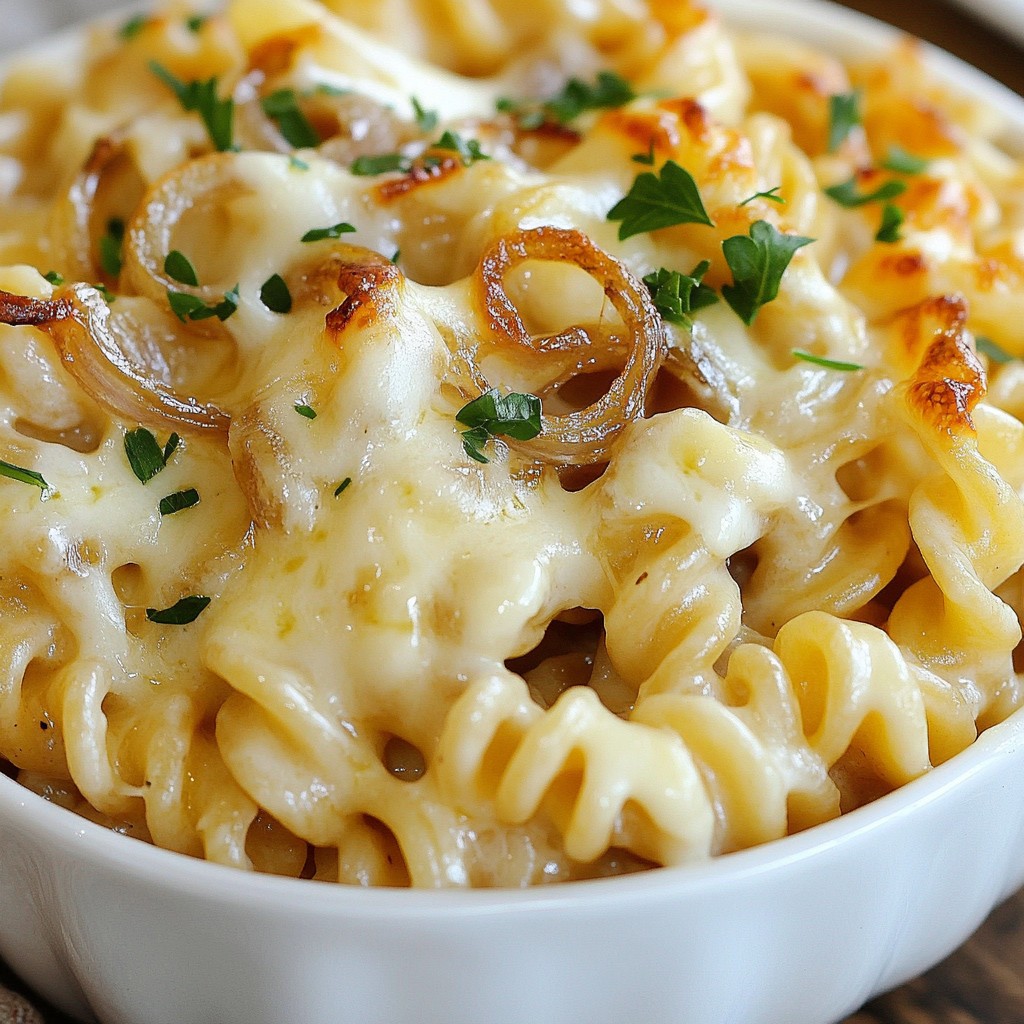
Craving a cozy meal that warms your soul? One-Pot French Onion Pasta is the answer! This simple yet savory dish brings the classic flavors of French onion soup into a pasta delight. You can cook it all in one pot, making cleanup a breeze. Imagine tender pasta mingling with caramelized onions and melted cheese—it’s pure comfort in every bite. Let's dive into how to make this delicious meal!
Why I Love This Recipe
- Comforting Flavor: This dish combines the rich, savory taste of caramelized onions with creamy pasta, creating a comforting meal that's perfect for any occasion.
- Easy to Make: With simple ingredients and straightforward steps, this recipe is perfect for both novice and experienced cooks looking for a quick yet delicious dinner.
- Customizable: You can easily swap out the cheese or pasta type to fit your preferences or dietary needs, making it versatile for different tastes.
- Great for Leftovers: This pasta dish tastes even better the next day, making it a fantastic option for meal prep or leftovers.
Ingredients
Main Ingredients
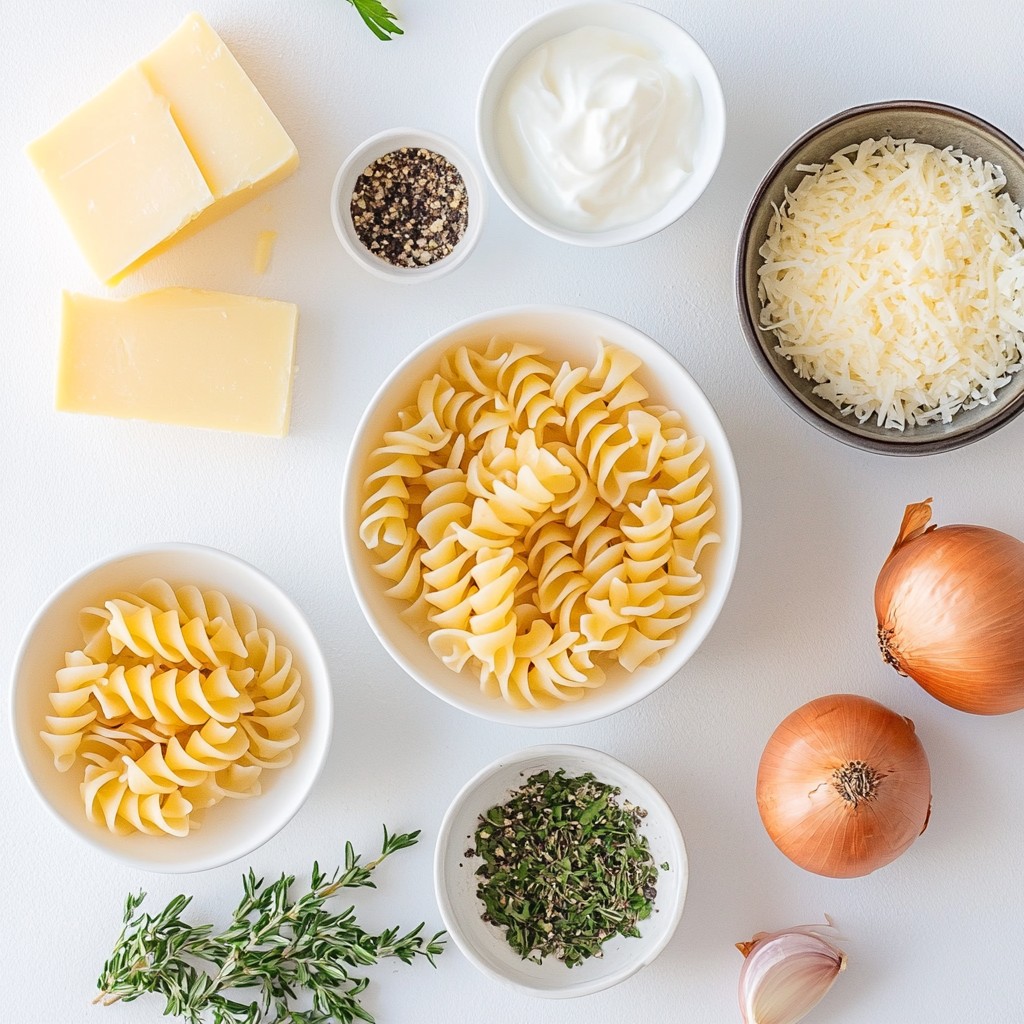
- Pasta options: You can use 8 oz of fusilli or penne pasta. Both work well.
- Cheese varieties: Gruyère cheese is a must for melting. Parmesan adds a nice touch.
- Aromatics: Use 2 large onions, thinly sliced, along with 3 minced garlic cloves and dried thyme.
Seasonings and Broth
- Importance of vegetable broth: Vegetable broth gives this dish a rich base. It enhances the flavor without overpowering the pasta.
- Role of sugar in caramelization: Adding 1 teaspoon of sugar helps caramelize the onions. It makes them sweet and brown.
- Salt and pepper for seasoning: Don’t forget to add salt and pepper to taste. They bring out all the flavors in the dish.
Step-by-Step Instructions
Prepping the Onions
To make this dish, start with the onions. I slice two large onions thinly. This helps them cook evenly. Next, melt two tablespoons of unsalted butter in a large pot over medium heat. Add the sliced onions and one teaspoon of sugar. Stir often. You want the onions to turn a nice golden brown. This takes about 20 to 25 minutes. Watch for the color change. When they are soft and sweet, they are ready.
Cooking the Pasta
Once your onions are caramelized, it's time for the pasta. Pour in four cups of vegetable broth. Bring it to a simmer. Then, add eight ounces of your choice of pasta, like fusilli or penne. Make sure to stir well. This helps the pasta cook evenly. Cook according to the package instructions, usually about 10 to 12 minutes. Stir occasionally to avoid sticking. This keeps everything nice and smooth.
Final Steps
After the pasta is cooked to al dente, lower the heat. Stir in one cup of heavy cream. This makes the dish rich and creamy. Mix well until everything is heated through. Now, add in the cheeses: one cup of grated Gruyère and half a cup of freshly grated Parmesan. Stir until the cheese melts and combines. Adjust the flavor with salt and pepper to taste. Lastly, remove the pot from the heat. Serve hot, garnished with chopped parsley or extra cheese if you like. Enjoy your meal!
Tips & Tricks
Perfecting the Caramelization
To get those golden onions, start with medium heat. Thinly slice the onions for even cooking. Add the sugar early to help with caramelization. Stir often to keep them from burning. If you see any dark bits, lower the heat. You want a rich, golden color, not burnt bits.
Cheese Melting Techniques
When adding cheese, turn off the heat first. This helps it melt better without clumping. Stir in Gruyère and Parmesan slowly for even mixing. If you need a non-dairy option, try cashew cheese or nutritional yeast. These give a nice flavor without dairy.
Serving Suggestions
Pair One-Pot French Onion Pasta with a fresh salad. A simple Caesar or mixed greens works well. For a garnish, use chopped parsley or extra cheese on top. This adds color and taste. If you're feeling adventurous, add a drizzle of balsamic glaze for a twist.
Pro Tips
- Caramelization is Key: Take your time when caramelizing the onions; the deeper the color, the richer the flavor. Stir occasionally to prevent burning.
- Choose the Right Cheese: Gruyère gives a nutty flavor, but feel free to mix in mozzarella or fontina for extra creaminess.
- Season Gradually: Taste as you go! Adjust salt and pepper after adding cheese for the best flavor balance.
- Garnish for Freshness: Fresh parsley not only adds color but also a burst of freshness that complements the rich flavors.
Variations
Protein Additions
You can boost your One-Pot French Onion Pasta with protein. Adding chicken or beef makes the dish heartier. Simply sauté bite-sized pieces of meat with the onions. This gives you tasty, meaty flavors. You can also use cooked meat for a quicker option.
If you prefer vegetarian protein, try adding tofu. Use firm or extra-firm tofu for the best texture. Cube the tofu and sauté it until golden before mixing it into the pasta. This adds protein without altering the dish's core flavor.
Vegetable Additions
Adding vegetables can enhance the dish's taste and nutrition. Consider including spinach, mushrooms, or bell peppers. These add color and texture. You can also use seasonal veggies like zucchini or asparagus for freshness.
Chop your chosen vegetables and add them to the pot after the onions. This will keep them crisp and flavorful. Mixing in vegetables makes your meal more balanced and satisfying.
Flavor Enhancements
To take your One-Pot French Onion Pasta to the next level, think about adding herbs or spices. Fresh thyme or rosemary works well with the rich flavors. Just sprinkle them in when you add the garlic.
You can also incorporate a splash of white wine for depth. Add it after the onions caramelize and let it cook off slightly. This adds a layer of complexity that elevates your dish. Experiment with different flavors to find what you love best!
Storage Info
Storing Leftovers
To keep your One-Pot French Onion Pasta fresh, store it in the fridge. Use an airtight container to prevent air from getting in. This keeps the flavors strong and the pasta moist. It’s best to eat leftovers within three days. If you want to save them longer, freezing is a great choice.
Reheating Instructions
When you want to enjoy your leftovers, you can use either a microwave or stovetop. For the microwave, place a serving in a bowl. Heat it for about one to two minutes. Stir it halfway through for even warmth. If you use the stovetop, add a splash of broth over low heat. Stir gently to keep the pasta from sticking. This method helps maintain the creamy texture.
Freezing Options
To freeze One-Pot French Onion Pasta, let it cool completely first. Then, scoop portions into freezer-safe bags or containers. Squeeze out any air to prevent freezer burn. It can stay frozen for up to three months. When you’re ready to eat, thaw it in the fridge overnight. Reheat using the stovetop method for the best taste and texture.
FAQs
Can I use gluten-free pasta?
Yes, you can use gluten-free pasta. Look for options made from rice, quinoa, or lentils. These pastas cook well in broth. Brands like Barilla or Banza offer tasty gluten-free choices. Just check the cooking time, as it can vary. Adjust the time based on the package instructions for best results.
How can I make this dish vegetarian?
To make One-Pot French Onion Pasta vegetarian, stick with vegetable broth. You can swap butter for olive oil for a plant-based fat. Use nutritional yeast for a cheesy flavor without dairy. If you want more protein, add mushrooms or chickpeas. These options keep the dish flavorful and filling.
What can I serve with One-Pot French Onion Pasta?
This dish pairs well with a simple salad. A green salad with lettuce, tomatoes, and a light dressing works nicely. You can also serve crusty bread for dipping. Garlic bread adds a nice touch too. For a heartier meal, consider roasted vegetables or steamed broccoli on the side.
In this blog post, we explored how to make One-Pot French Onion Pasta. We discussed key ingredients like pasta, cheeses, and aromatic herbs. You learned step-by-step cooking techniques, tips for caramelizing onions, and achieving the perfect cheese blend. We also covered delicious variations and best storage practices.
Incorporating these tips will help you create a rich, flavorful meal. Enjoy experimenting and making it your own!