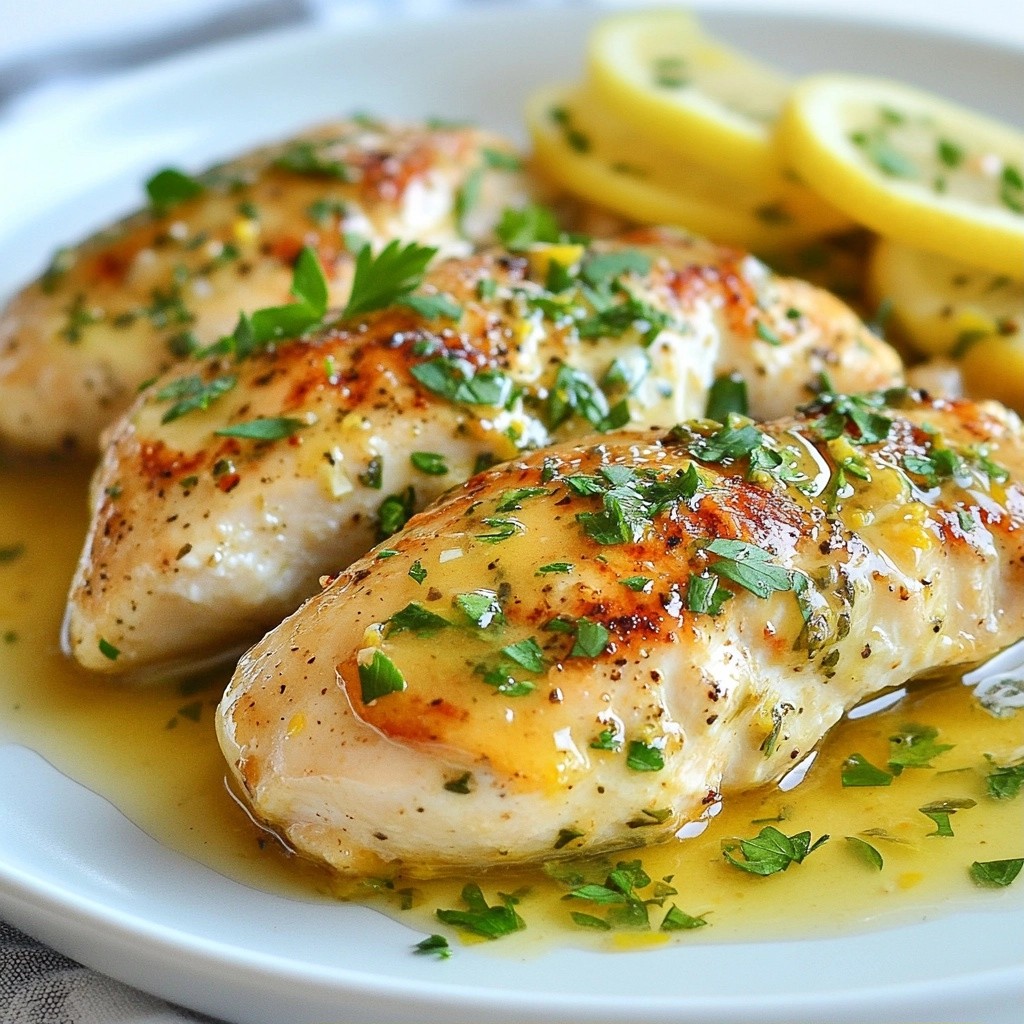
Looking for a simple dinner that packs a punch of flavor? My Juicy Crockpot Lemon Thyme Chicken Breasts Recipe is just what you need! This dish combines tender chicken with zesty lemon and fresh thyme for a mouthwatering meal. You’ll love how easy it is to prep, and the slow cooker does all the hard work for you. Let’s dive into the ingredients and steps that make this dish a winner!
Why I Love This Recipe
- Fresh and Flavorful: This recipe combines the bright flavors of lemon and thyme, making for a refreshing dish that's perfect for any occasion.
- Hands-Free Cooking: The crockpot does all the work for you! Just set it and forget it, resulting in tender chicken without the fuss.
- Healthy and Wholesome: Made with lean chicken breasts and wholesome ingredients, this dish is not only delicious but also a healthy option for your family.
- Versatile Serving Options: This chicken pairs well with a variety of sides, from rice to vegetables, making it easy to customize for everyone at the table.
Ingredients
Main Ingredients
- 4 boneless, skinless chicken breasts
- 1 cup low-sodium chicken broth
- 3 tablespoons fresh lemon juice
- Zest of 1 lemon
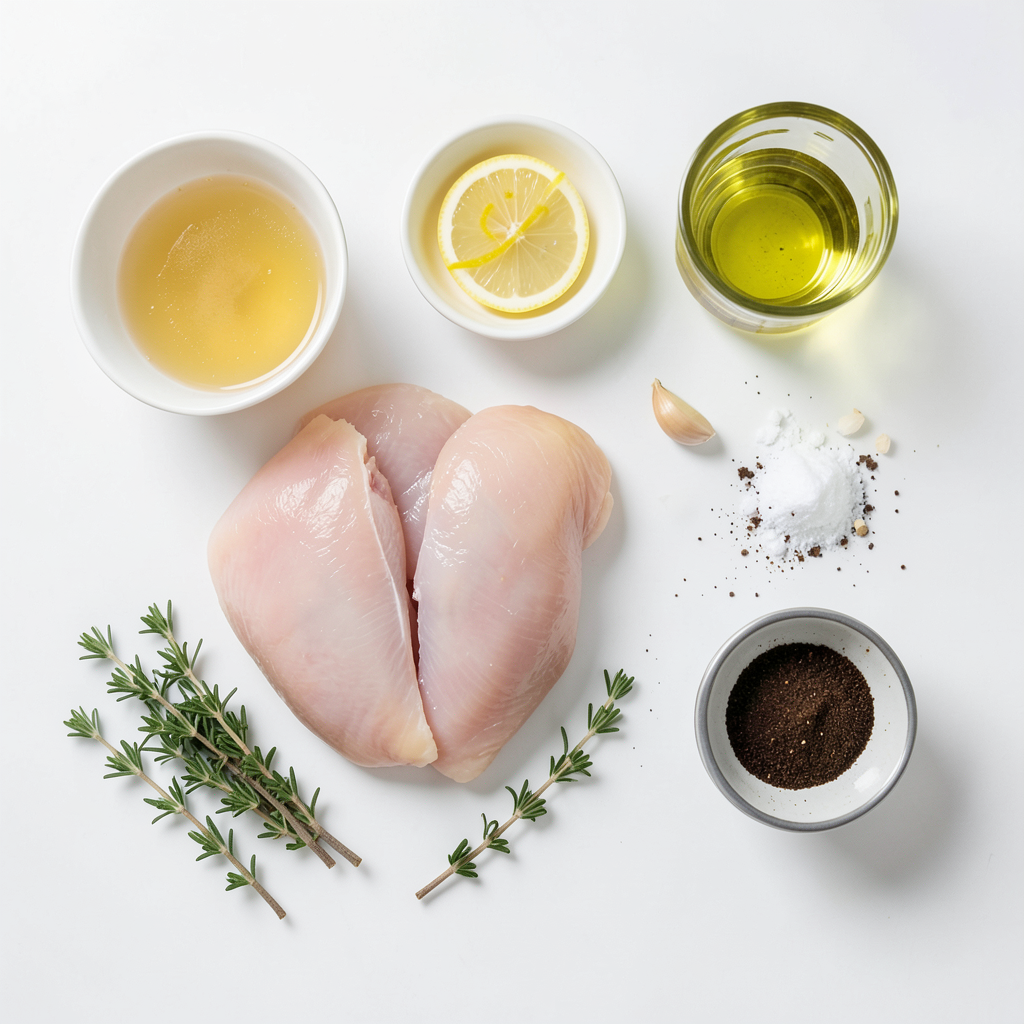
These main ingredients create a tasty base for your chicken dish. The chicken breasts stay juicy and tender when cooked slowly. The low-sodium broth keeps the flavors rich without being too salty. Fresh lemon juice and zest add a bright, zesty flavor that makes the chicken shine.
Seasonings and Extras
- 3 cloves garlic, minced
- 2 tablespoons fresh thyme leaves (or 1 tablespoon dried thyme)
- 1 teaspoon salt
- ½ teaspoon pepper
- 1 tablespoon olive oil
- 1 tablespoon cornstarch (optional, for thickening the sauce)
Garlic and thyme bring warmth and depth to the dish. Olive oil adds a nice touch for cooking. Salt and pepper enhance the chicken's natural flavor. If you want a thicker sauce, use cornstarch. This optional step makes the dish feel even more gourmet.
Step-by-Step Instructions
Preparing the Chicken
Start by rinsing the chicken breasts under cold water. This helps remove any unwanted residue. After rinsing, pat the chicken dry with paper towels. Drying the chicken is key. It helps the seasoning stick and gives a better sear later. Next, season both sides with salt and pepper. This simple step adds great flavor.
Combining Broth and Seasonings
In a medium bowl, mix together the chicken broth, lemon juice, lemon zest, minced garlic, thyme, olive oil, salt, and pepper. Whisk until well combined. This mixture creates a zesty sauce that brings the chicken to life. Make sure you balance the flavors. The lemon should stand out, while the thyme adds depth.
Loading the Crockpot
Place the seasoned chicken breasts into the crockpot. Make sure they are arranged in a single layer. Pour the lemon broth mixture over the chicken. It is important to ensure each breast is well coated. This allows the flavors to soak in as the chicken cooks.
Cooking the Chicken
Cover the crockpot and set it to cook. You can choose low for 6-7 hours or high for 3-4 hours. The chicken is done when it's tender and reaches an internal temperature of 165°F. To check doneness, use a meat thermometer. This ensures your chicken is perfectly cooked and safe to eat.
Thickening the Sauce (Optional)
If you want a thicker sauce, remove the chicken after cooking. In a small bowl, mix the cornstarch with 2 tablespoons of cold water to create a slurry. Stir this into the liquid in the crockpot. Cook on high for another 15-20 minutes. This method gives your sauce a nice, rich texture.
Serving the Dish
To serve, place the chicken breasts on a platter. Drizzle with the lemon thyme sauce from the crockpot. For a pop of color, garnish with freshly chopped parsley. You can also add lemon wedges on the side for extra zest. This not only looks great but also enhances the flavor when served.
Tips & Tricks
Cooking Tips for Juicy Chicken
- To avoid dry chicken, always use low-sodium broth. It adds flavor without too much salt.
- Avoid overcooking the chicken. Cook on low for 6-7 hours or high for 3-4 hours.
- Check the chicken's internal temperature. It should reach 165°F for safety and juiciness.
- Let the chicken rest for a few minutes after cooking. This helps the juices stay inside.
Flavor Enhancement Tips
- To add more zest, squeeze fresh lemon juice over the chicken right before serving.
- Try adding capers or olives for a briny punch.
- Fresh herbs like rosemary or oregano can replace thyme. They add different flavors.
- For a spicy kick, mix in some red pepper flakes.
- If you want a sweet twist, add honey to the broth mixture. It balances the lemon's tartness.
Pro Tips
- Marinate for Extra Flavor: Consider marinating the chicken in the lemon broth mixture for a few hours or overnight for enhanced flavor infusion.
- Use Bone-In Chicken: For even juicier results, use bone-in, skin-on chicken breasts. They tend to retain moisture better during cooking.
- Adjust Thyme to Taste: If you're a fan of thyme, feel free to increase the amount to suit your taste. Fresh herbs can elevate the dish significantly.
- Leftover Uses: Use leftover chicken in salads, sandwiches, or wraps for a quick and tasty meal. The lemon thyme flavor works well in many dishes!
Variations
Different Flavor Profiles
You can easily switch up the taste of your lemon thyme chicken. For an Italian twist, try mixing in some dried oregano and basil. This gives the chicken a warm, herbal flavor. Use a splash of white wine for an extra layer of taste.
If you want some heat, add a spicy chicken twist. Mix in red pepper flakes or a dash of hot sauce. This will give your dish a nice kick. Pair it with a cooling yogurt sauce to balance the spice.
Ingredient Swaps
Sometimes you might not have all the ingredients on hand. If you want to swap liquids, use vegetable broth or even a splash of white wine. This can add new flavors to your chicken.
If you want a different protein, feel free to use turkey or pork. Adjust the cooking time based on the thickness of the meat. This keeps everything tender and juicy while still being delicious.
Storage Info
Storing Leftovers
To store leftovers, let the chicken cool first. Place it in an airtight container. This will help keep it fresh. You can also add the sauce to the container. It keeps the chicken moist. In the fridge, the chicken lasts for about 3 to 4 days.
Freezing Instructions
To freeze, wrap the chicken in plastic wrap. Then, place it in a freezer bag. Remove as much air as you can. This prevents freezer burn. When ready to eat, thaw it in the fridge overnight. It can also be thawed in a cold water bath.
Freezing can change the texture slightly. The chicken may lose some juiciness but will still taste great. The flavors will remain, but the sauce may separate a bit. When reheating, heat it slowly to keep it juicy.
FAQs
How do I know when the chicken is fully cooked?
To check if the chicken is done, you need a meat thermometer. Insert it into the thickest part of the chicken breast. The safe internal temperature for chicken is 165°F. If it reaches this temp, it is safe to eat. If not, cook it longer and check again.
Can I use frozen chicken breasts?
Yes, you can use frozen chicken breasts! Just remember to add extra cooking time. If you cook on high, it may take 4-5 hours. On low, it can take 8-9 hours. Always check the internal temperature to ensure it's 165°F.
What sides go best with lemon thyme chicken?
Lemon thyme chicken pairs well with many sides. Here are some ideas:
- Steamed vegetables like broccoli or green beans
- Fluffy rice to soak up the sauce
- Mashed potatoes for a comforting touch
- A fresh salad to add crunch
Can I make this dish in advance?
Yes, this dish is great for meal prep. You can cook it a day ahead. Store it in the fridge in an airtight container. Reheat it in the microwave or on the stove. Just ensure the chicken is heated to 165°F before serving.
This blog post covered how to make a tasty lemon thyme chicken in a crockpot. We went through essential ingredients, cooking steps, and helpful tips. Juicy chicken starts with good preparation and seasoning. You can also customize flavors based on your taste. Storing and reheating leftovers is easy with our guidance. This dish is simple and great for busy days. Enjoy experimenting with variations and serving ideas. With practice, this recipe can become a favorite at your table.