
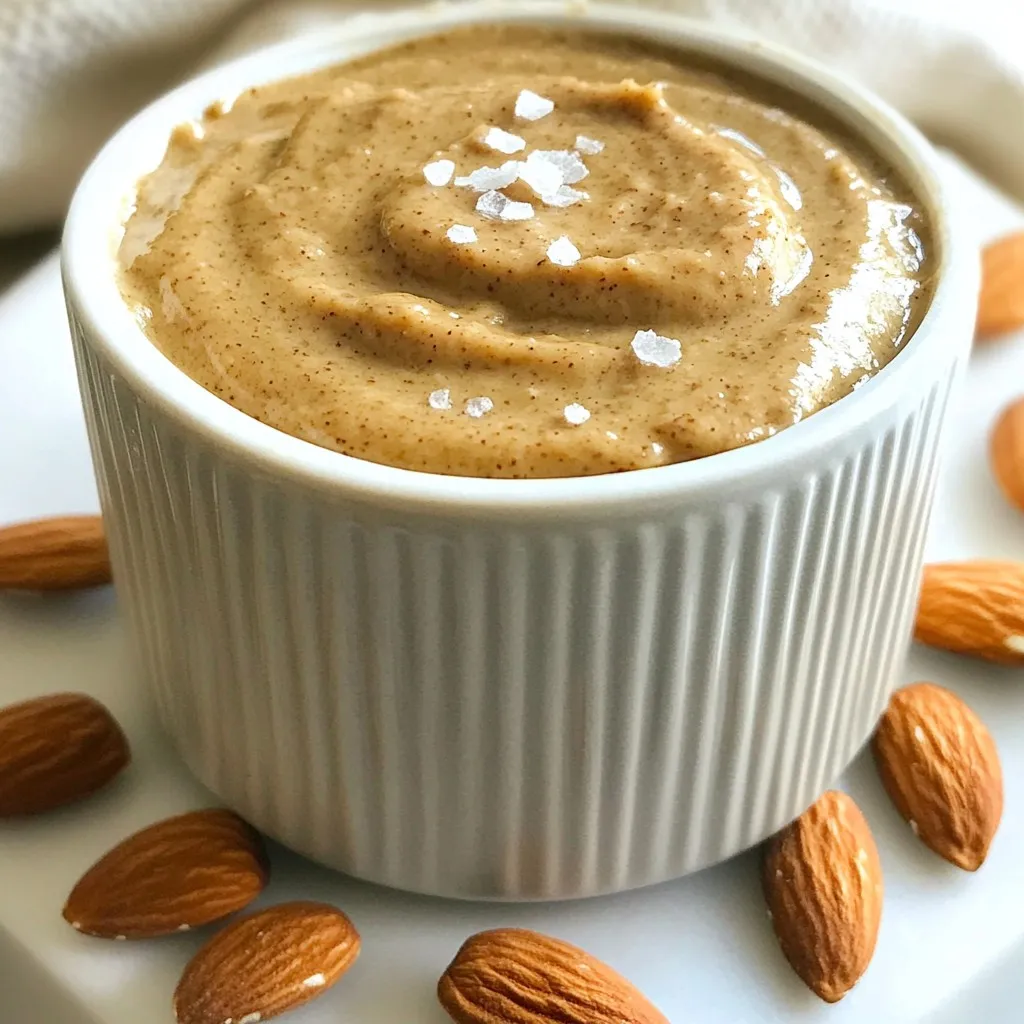
Easy Homemade Almond Butter Simple and Healthy Snack

WANT TO SAVE THIS RECIPE?

Are you ready to make a tasty snack that’s both easy and healthy? This homemade almond butter recipe is perfect for anyone craving a rich and creamy treat. With just a few simple ingredients, you can whip up a delicious spread that’s not only fun to make but also packed with nutrients. Let’s dive into how you can create your own almond butter and enjoy it in countless ways!

Why I Love This Recipe

  1. Health Benefits: Almonds are packed with nutrients, including healthy fats, protein, and vitamin E, making this almond butter a nutritious choice.
  2. Customizable Flavor: You can easily adjust the sweetness and saltiness to your liking, creating a personalized nut butter experience.
  3. Simple Ingredients: This recipe uses minimal, wholesome ingredients that you probably already have in your pantry.
  4. Versatile Use: Perfect for spreading on toast, adding to smoothies, or using in baking, this almond butter is incredibly versatile.

Ingredients

List of Ingredients

  • 2 cups raw almonds
  • 1 tablespoon coconut oil (optional)
  • 1 teaspoon sea salt
  • 2 tablespoons maple syrup or honey (optional for sweetness)

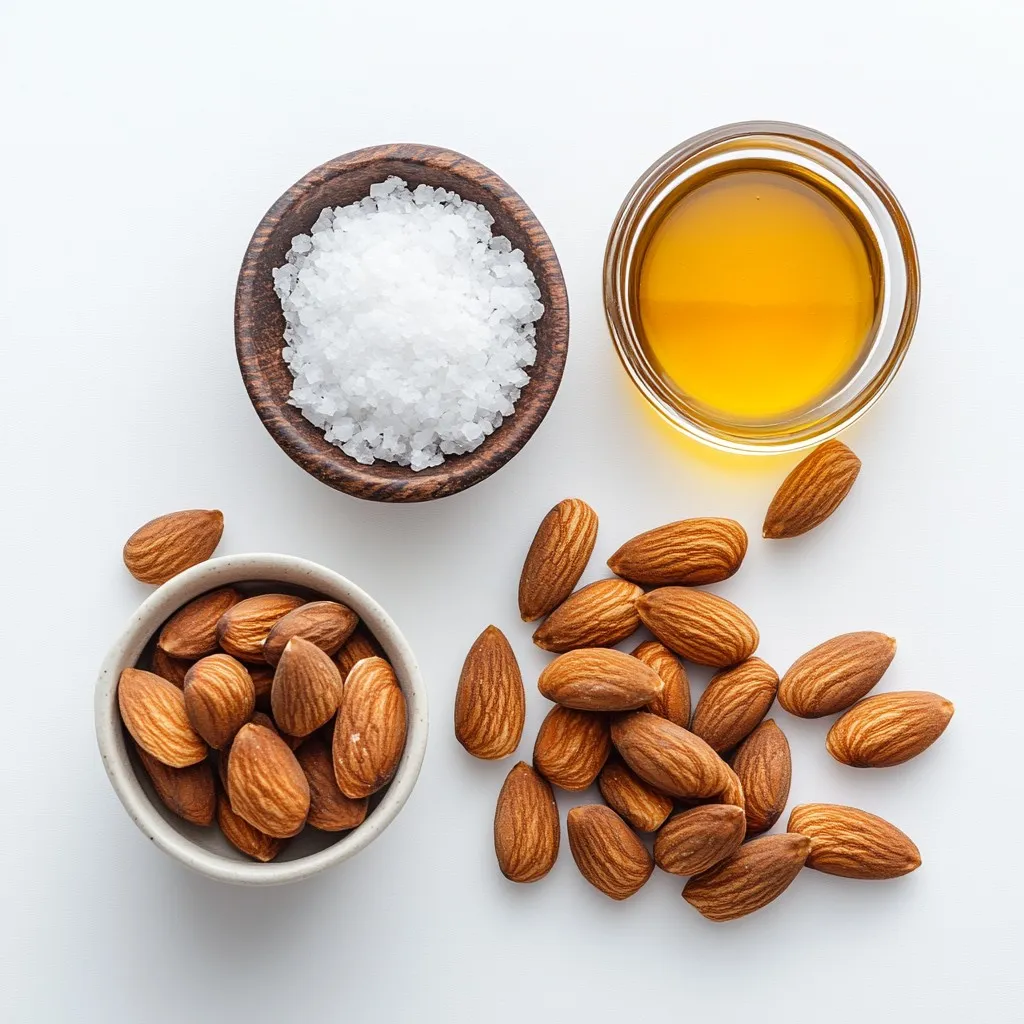
To make almond butter, you need simple, fresh ingredients. Raw almonds are the star of this recipe. They are packed with nutrients and flavor. I often use coconut oil to make the butter creamier, but it’s up to you. Sea salt enhances the taste, so adjust it to your liking. If you prefer a sweeter touch, add maple syrup or honey. This option is great for kids or anyone who loves a hint of sweetness.

Using quality ingredients makes a big difference. Look for fresh, raw almonds. They should smell nutty and vibrant. If you choose to sweeten your almond butter, use pure maple syrup or honey for the best flavor. Remember, the key is to keep it simple and healthy!
Step-by-Step Instructions

Preparation and Roasting

  • Preheat your oven to 350°F (175°C).
  • Spread 2 cups of raw almonds evenly on a baking sheet.
  • Roast the almonds for 10-12 minutes. They should smell nutty and look golden.
  • Stir the almonds once or twice while roasting. Let them cool a bit after roasting.

Processing the Almonds

  • Transfer the warm almonds to a food processor.
  • Start processing on high speed for 1-2 minutes. The almonds will break down into a fine powder.
  • Scrape down the sides of the bowl as needed. Keep processing.
  • The almonds will form a thick dough-like ball first, then turn into butter.

Finalizing the Almond Butter

  • After about 5-7 minutes, add 1 tablespoon of coconut oil, 1 teaspoon of sea salt, and 2 tablespoons of maple syrup or honey if you want sweetness.
  • Continue processing for another 2-3 minutes until smooth and creamy.
  • Adjust the salt and sweetness to your taste.
  • Transfer the almond butter to a clean jar and let it cool before sealing.

Tips & Tricks

Selecting the Right Almonds

When you make almond butter, the type of almonds matters. I recommend using raw almonds for the best flavor. They give a rich, nutty taste. You can also use roasted almonds if you want a deeper flavor. However, raw almonds will yield a creamier texture.

Organic almonds are a great choice. They are free from pesticides and chemicals. This means you get a pure almond taste. Non-organic almonds work too, but they may have some residue. If you can, go for organic. Your body will thank you!

Achieving the Perfect Consistency

Getting the right consistency is key for smooth almond butter. If your almond butter is too thick, you can add more coconut oil. This will help it blend better and become creamier.

If your almond butter turns out grainy, you might need to process it longer. Sometimes, it takes time for the almonds to release their oils. Just be patient! Keep scraping down the sides of the bowl to help it along.

For flavor, adjust the salt and sweeteners as you blend. Taste it until you find the perfect balance. A little more salt can enhance the flavor, while more sweetener can make it delightful. Enjoy the process and customize it to your taste!

Pro Tips

  1. Roasting for Flavor: Roasting the almonds enhances their flavor and makes for a creamier texture. Make sure to keep a close eye on them to avoid burning.
  2. Adjusting Consistency: If your almond butter is too thick, add more coconut oil a little at a time until you reach your desired creaminess.
  3. Sweetness Level: Feel free to adjust the amount of maple syrup or honey according to your taste. Start with a small amount and add more if needed.
  4. Storage Tips: For longer shelf life, store the almond butter in the refrigerator. Always use a clean spoon to avoid contamination.

Variations

Sweetened Almond Butter

You can make almond butter sweeter. Just add different sweeteners. Maple syrup or honey works well. Both give a nice flavor and touch of sweetness. You can adjust the amount based on your taste.

Another fun option is using flavored syrups. Think chocolate or vanilla. These syrups enhance the taste and make your almond butter unique. Just add a tablespoon or two when you blend.

Flavor Infusions

Want to spice things up? You can add spices or extracts. A dash of cinnamon or nutmeg adds warmth. Vanilla extract brings a lovely aroma. These flavors mix well with almond butter, making it special.

You can also combine almonds with other nuts. Try cashews or hazelnuts for new tastes. Blend them together for a mix that’s creamy and rich. This gives your almond butter a fun twist!

Storage Info

Best Practices for Storing Almond Butter

Store your almond butter in a clean jar. You can keep it in the fridge or at room temperature. The fridge keeps it fresh longer. At room temperature, it stays good for about a week.

Check for signs of spoilage. If you see mold or an off smell, throw it away. Almond butter can separate; this is normal. Just stir it back together before you use it.

How Long Does Homemade Almond Butter Last?

In the fridge, almond butter lasts up to two weeks. If you keep it at room temperature, use it within a week.

To prolong its freshness, always use a clean spoon. Avoid letting moisture get in the jar. If you notice any changes in texture or smell, it’s best to discard it.

FAQs

Can I use roasted almonds instead of raw?

Yes, you can use roasted almonds. However, roasted almonds add a different flavor. They can make your almond butter taste nuttier. If you prefer a milder taste, stick to raw almonds. Raw almonds also provide a smoother texture.

How can I make almond butter creamier?

To make almond butter creamier, add a tablespoon of coconut oil. This oil helps blend the almonds smoothly. You can also process the mixture longer until it becomes silky. If it still seems thick, add a bit of oil or warm water.

What are the health benefits of almond butter?

Almond butter is packed with nutrients. It is rich in healthy fats, protein, and vitamins. Almonds contain vitamin E, which helps skin health. They also have magnesium for muscle and nerve function. Eating almond butter can help keep your heart healthy.

Is homemade almond butter better than store-bought?

Homemade almond butter is often fresher and tastier. You can control the ingredients and avoid additives. Store-bought options may have added sugars or oils. Making it at home ensures quality and flavor. Plus, it’s easy to customize to your taste!

Making almond butter at home is simple and rewarding. We discussed the ingredients and steps needed, like roasting almonds and blending them to a creamy finish. You learned about tips for picking the right almonds and how to mix in flavors. Storage tips ensure your almond butter stays fresh for longer. Final thoughts: homemade almond butter is tasty, healthy, and customizable. Enjoy creating your own unique spread. Ready to get blendin
- 2 cups raw almonds - 1 tablespoon coconut oil (optional) - 1 teaspoon sea salt - 2 tablespoons maple syrup or honey (optional for sweetness) To make almond butter, you need simple, fresh ingredients. Raw almonds are the star of this recipe. They are packed with nutrients and flavor. I often use coconut oil to make the butter creamier, but it's up to you. Sea salt enhances the taste, so adjust it to your liking. If you prefer a sweeter touch, add maple syrup or honey. This option is great for kids or anyone who loves a hint of sweetness. Using quality ingredients makes a big difference. Look for fresh, raw almonds. They should smell nutty and vibrant. If you choose to sweeten your almond butter, use pure maple syrup or honey for the best flavor. Remember, the key is to keep it simple and healthy! {{ingredient_image_1}} - Preheat your oven to 350°F (175°C). - Spread 2 cups of raw almonds evenly on a baking sheet. - Roast the almonds for 10-12 minutes. They should smell nutty and look golden. - Stir the almonds once or twice while roasting. Let them cool a bit after roasting. - Transfer the warm almonds to a food processor. - Start processing on high speed for 1-2 minutes. The almonds will break down into a fine powder. - Scrape down the sides of the bowl as needed. Keep processing. - The almonds will form a thick dough-like ball first, then turn into butter. - After about 5-7 minutes, add 1 tablespoon of coconut oil, 1 teaspoon of sea salt, and 2 tablespoons of maple syrup or honey if you want sweetness. - Continue processing for another 2-3 minutes until smooth and creamy. - Adjust the salt and sweetness to your taste. - Transfer the almond butter to a clean jar and let it cool before sealing. When you make almond butter, the type of almonds matters. I recommend using raw almonds for the best flavor. They give a rich, nutty taste. You can also use roasted almonds if you want a deeper flavor. However, raw almonds will yield a creamier texture. Organic almonds are a great choice. They are free from pesticides and chemicals. This means you get a pure almond taste. Non-organic almonds work too, but they may have some residue. If you can, go for organic. Your body will thank you! Getting the right consistency is key for smooth almond butter. If your almond butter is too thick, you can add more coconut oil. This will help it blend better and become creamier. If your almond butter turns out grainy, you might need to process it longer. Sometimes, it takes time for the almonds to release their oils. Just be patient! Keep scraping down the sides of the bowl to help it along. For flavor, adjust the salt and sweeteners as you blend. Taste it until you find the perfect balance. A little more salt can enhance the flavor, while more sweetener can make it delightful. Enjoy the process and customize it to your taste! Pro Tips Roasting for Flavor: Roasting the almonds enhances their flavor and makes for a creamier texture. Make sure to keep a close eye on them to avoid burning. Adjusting Consistency: If your almond butter is too thick, add more coconut oil a little at a time until you reach your desired creaminess. Sweetness Level: Feel free to adjust the amount of maple syrup or honey according to your taste. Start with a small amount and add more if needed. Storage Tips: For longer shelf life, store the almond butter in the refrigerator. Always use a clean spoon to avoid contamination. {{image_2}} You can make almond butter sweeter. Just add different sweeteners. Maple syrup or honey works well. Both give a nice flavor and touch of sweetness. You can adjust the amount based on your taste. Another fun option is using flavored syrups. Think chocolate or vanilla. These syrups enhance the taste and make your almond butter unique. Just add a tablespoon or two when you blend. Want to spice things up? You can add spices or extracts. A dash of cinnamon or nutmeg adds warmth. Vanilla extract brings a lovely aroma. These flavors mix well with almond butter, making it special. You can also combine almonds with other nuts. Try cashews or hazelnuts for new tastes. Blend them together for a mix that’s creamy and rich. This gives your almond butter a fun twist! Store your almond butter in a clean jar. You can keep it in the fridge or at room temperature. The fridge keeps it fresh longer. At room temperature, it stays good for about a week. Check for signs of spoilage. If you see mold or an off smell, throw it away. Almond butter can separate; this is normal. Just stir it back together before you use it. In the fridge, almond butter lasts up to two weeks. If you keep it at room temperature, use it within a week. To prolong its freshness, always use a clean spoon. Avoid letting moisture get in the jar. If you notice any changes in texture or smell, it’s best to discard it. Yes, you can use roasted almonds. However, roasted almonds add a different flavor. They can make your almond butter taste nuttier. If you prefer a milder taste, stick to raw almonds. Raw almonds also provide a smoother texture. To make almond butter creamier, add a tablespoon of coconut oil. This oil helps blend the almonds smoothly. You can also process the mixture longer until it becomes silky. If it still seems thick, add a bit of oil or warm water. Almond butter is packed with nutrients. It is rich in healthy fats, protein, and vitamins. Almonds contain vitamin E, which helps skin health. They also have magnesium for muscle and nerve function. Eating almond butter can help keep your heart healthy. Homemade almond butter is often fresher and tastier. You can control the ingredients and avoid additives. Store-bought options may have added sugars or oils. Making it at home ensures quality and flavor. Plus, it's easy to customize to your taste! Making almond butter at home is simple and rewarding. We discussed the ingredients and steps needed, like roasting almonds and blending them to a creamy finish. You learned about tips for picking the right almonds and how to mix in flavors. Storage tips ensure your almond butter stays fresh for longer. Final thoughts: homemade almond butter is tasty, healthy, and customizable. Enjoy creating your own unique spread. Ready to get blending?

Creamy Dreamy Almond Butter

A smooth and creamy almond butter made from roasted almonds, perfect for spreading or adding to recipes.
Prep Time 10 minutes
Cook Time 12 minutes
Total Time 30 minutes
Course Condiment
Cuisine American
Servings 1.5

Ingredients
  

  • 2 cups raw almonds
  • 1 tablespoon coconut oil (optional for creaminess)
  • 1 teaspoon sea salt (more or less to taste)
  • 2 tablespoons maple syrup or honey (for sweetness, optional)

Instructions
 

  • Preheat the oven to 350°F (175°C). Spread the raw almonds evenly on a baking sheet.
  • Roast the almonds in the oven for about 10-12 minutes, or until they are golden and fragrant. Stir occasionally to prevent burning. Once roasted, let them cool slightly.
  • Transfer the warm almonds to a food processor. Process on high for 1-2 minutes, until the almonds start to break down into a fine powder.
  • Scrape down the sides of the bowl and continue to process. Eventually, the almonds will turn into a thick dough-like ball, then break down gradually into almond butter.
  • After about 5-7 minutes of processing, add the coconut oil, sea salt, and maple syrup or honey (if using). Continue to process until the mixture is smooth and runny, about 2-3 more minutes. Adjust salt and sweetness to taste.
  • Once you reach the desired consistency, transfer the almond butter to a clean jar. Let it cool completely before sealing.
  • Store in the refrigerator for up to 2 weeks or at room temperature for up to a week.

Notes

Store in the refrigerator for up to 2 weeks or at room temperature for up to a week.
Keyword almond butter, healthy, spread

WANT TO SAVE THIS RECIPE?

Leave a Comment

Recipe Rating