

Are you ready to warm up your autumn days with a comforting bowl of soup? In this article, I’ll show you how to create a delicious Autumn Harvest Butternut Squash Soup that packs a flavorful punch. From main ingredients to tasty garnishes, I've got you covered. Let’s explore step-by-step instructions, helpful tips, and variations to make this soup truly yours. Get ready to savor the season!
Why I Love This Recipe
- Comforting Flavor: This butternut squash soup is the epitome of fall comfort food, with warm spices that wrap you in a cozy embrace.
- Healthy and Nutritious: Packed with vitamins and minerals from the squash and veggies, this soup is both delicious and good for you.
- Simple Preparation: The straightforward steps make it easy for anyone to whip up a batch, even on busy days.
- Versatile Garnishes: The optional toppings allow for customization, making each bowl unique and visually appealing.
Ingredients
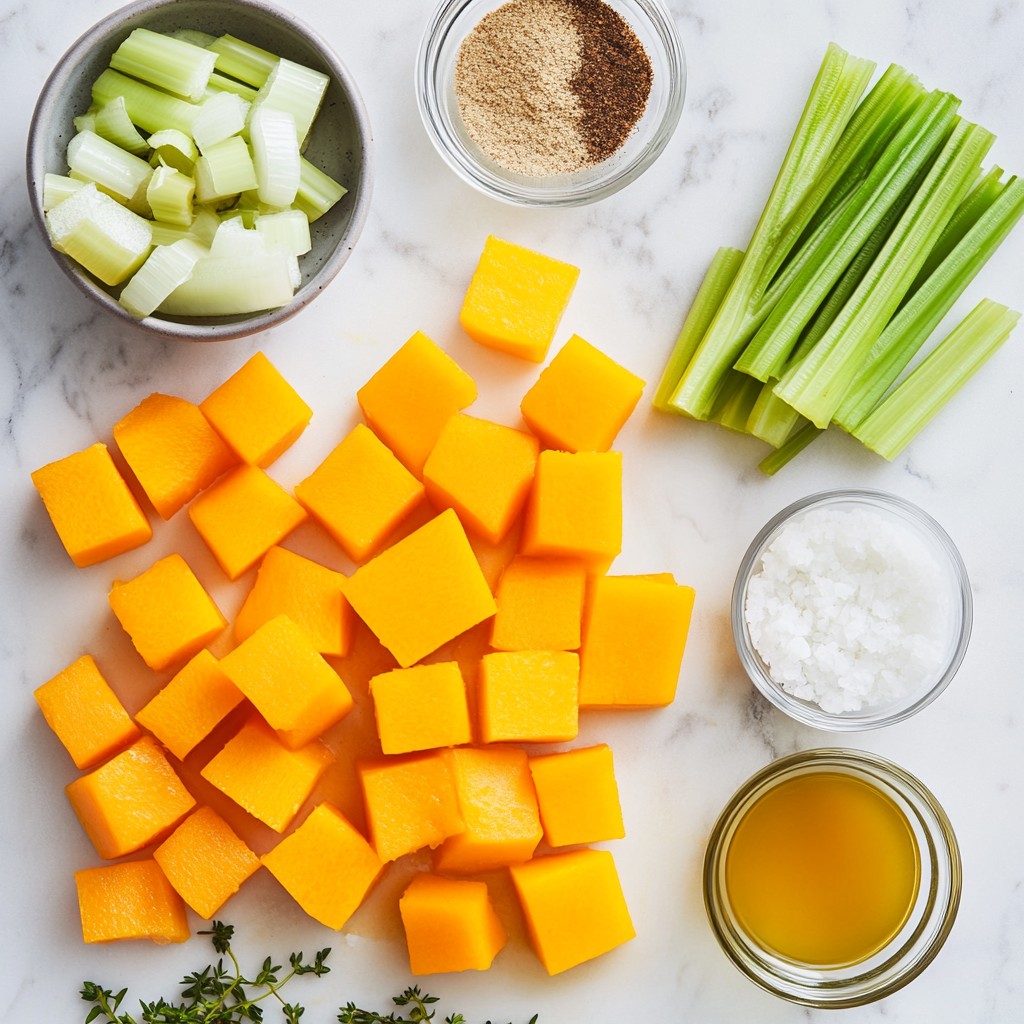
Main ingredients for Autumn Harvest Butternut Squash Soup
To make this soup, you need:
- 1 medium butternut squash, peeled, seeded, and cubed
- 1 large onion, chopped
- 2 cloves garlic, minced
- 2 medium carrots, diced
- 2 celery stalks, diced
- 4 cups vegetable broth
- 1 cup coconut milk
- 1 teaspoon ground cinnamon
- 1/2 teaspoon nutmeg
- 1 tablespoon olive oil
- Salt and pepper to taste
These ingredients create a warm, rich flavor. The butternut squash gives the soup its natural sweetness. The onion, garlic, and spices add depth and warmth. Coconut milk makes it creamy and smooth.
Optional garnish suggestions
Garnishes can elevate your soup. Here are some ideas:
- Pumpkin seeds for crunch
- Fresh thyme for a herbal touch
- A swirl of coconut cream for creaminess
These garnishes not only add flavor but also make the soup look beautiful.
Ingredient substitutions for dietary needs
You can easily adjust ingredients for different diets:
- Use vegetable broth or chicken broth for a non-vegan option.
- Replace coconut milk with almond milk for a lower-fat choice.
- Swap butternut squash with sweet potato if desired.
These swaps keep the soup tasty while meeting your dietary needs.
Step-by-Step Instructions
Preparation of vegetables
Start by peeling the butternut squash. Cut it in half and scoop out the seeds. Then, cube the squash into small pieces. Next, chop the onion and dice the carrots and celery. Mince the garlic cloves. You want all your veggies ready before cooking. This makes the process smooth and fast.
Cooking the soup base
In a large pot, heat the olive oil over medium heat. Add the chopped onion, diced carrots, and celery. Sauté them for 5 to 7 minutes until they soften. Stir in the minced garlic and cook for another minute. Garlic adds a lovely smell. Then, add the cubed butternut squash, ground cinnamon, and nutmeg. Stir well to mix everything. Pour in the vegetable broth and bring it to a boil. Lower the heat and let it simmer for 20 to 25 minutes. The squash should turn tender.
Blending and final seasoning
Once the squash is tender, grab your immersion blender. Blend the soup until it is smooth. If you don’t have an immersion blender, carefully use a regular blender in batches. Remember to vent the lid to let steam escape. After blending, return the soup to the pot. Stir in the coconut milk and season with salt and pepper. Taste it and adjust the flavor as needed. Heat gently over low heat until warmed through. Enjoy your delicious soup!
Tips & Tricks
How to achieve the perfect consistency
To get the right texture for your soup, blend it well. Use an immersion blender for easy mixing. If you want it creamy, add more coconut milk. If the soup is too thick, add a splash of vegetable broth. This way, you control the smoothness just how you like it.
Essential equipment for making soup
You need a few key tools to make this soup. A large pot helps to cook all your veggies and broth. An immersion blender is perfect for pureeing soup. If you use a standard blender, remember to vent the lid. This prevents pressure from building up inside. A cutting board and sharp knife are also must-haves for prepping your ingredients.
Flavor enhancement ideas
Add depth to your soup with simple flavors. A squeeze of fresh lemon brightens the taste. Try adding a dash of hot sauce for some heat. You can also mix in fresh herbs like sage or rosemary. Toasted pumpkin seeds make a crunchy topping. Don’t forget to taste as you season! Adjust salt and pepper to your liking.
Pro Tips
- Choose the Right Squash: Opt for a butternut squash that feels heavy for its size and has a smooth, firm skin. This ensures maximum flavor and freshness.
- Enhance the Flavor: For an added depth of flavor, roast the butternut squash in the oven before adding it to the soup. This caramelizes the sugars and intensifies the taste.
- Storage Tips: Leftover soup can be stored in an airtight container in the fridge for up to 5 days or frozen for up to 3 months. Reheat gently on the stove.
- Perfect Pairings: This soup pairs beautifully with crusty bread, a fresh salad, or even a grilled cheese sandwich for a cozy, comforting meal.
Variations
Vegan butternut squash soup options
To keep this soup vegan, use vegetable broth and coconut milk. Both give rich flavor. You can also add more veggies like kale or spinach. These greens add nutrition and color. Use spices like cumin or coriander for extra warmth. They pair well with the squash.
Gluten-free adaptations
This soup is naturally gluten-free. Just ensure your vegetable broth is also gluten-free. Most store-bought options are safe, but always check the label. You can also serve it with gluten-free bread. This makes a perfect side for dipping.
Spicy autumn twist variations
To add heat, toss in some red pepper flakes. Start with a pinch and adjust to taste. You can also include diced jalapeños for a fresh kick. For a smoky flavor, add smoked paprika. Each of these options gives the soup a new layer of taste. Try them all to find your favorite!
Storage Info
Best practices for storing soup
To keep your Autumn Harvest Butternut Squash Soup fresh, store it in airtight containers. Let the soup cool completely before sealing. This prevents moisture buildup that can spoil the flavor. If you have leftovers, try to eat them within a few days for the best taste.
Freezing and reheating instructions
You can freeze the soup for longer storage. Use freezer-safe containers or bags. Leave some space at the top, as the soup will expand when frozen. To reheat, thaw it in the fridge overnight. Heat it gently on the stove or in the microwave. Stir well to ensure even warming.
Shelf life and signs of spoilage
In the fridge, your soup lasts about 3 to 5 days. Check for changes in color or smell. If it looks dull or smells sour, it might be spoiled. When in doubt, throw it out. Keeping an eye on these signs helps you enjoy the soup at its best.
FAQs
Can I use frozen butternut squash in this recipe?
Yes, you can use frozen butternut squash. It saves time and still tastes great. Just thaw it before adding it to the pot. Make sure to adjust the cooking time slightly. Frozen squash cooks faster than fresh, so keep an eye on it.
What can I use instead of coconut milk?
If you prefer not to use coconut milk, try almond milk or cashew cream. Both give a nice creaminess to the soup. You can also use regular milk for a different flavor. Each option will change the taste, so choose what you like best.
How long does butternut squash soup last in the fridge?
Butternut squash soup lasts about 4 to 5 days in the fridge. Store it in an airtight container for the best results. If you want to keep it longer, consider freezing it. Just make sure to let it cool before freezing.
In summary, we explored how to make a warm and tasty Autumn Harvest Butternut Squash Soup. You learned about the key ingredients, preparation steps, and useful tips for perfect results. We even discussed variations for vegan and gluten-free options, plus storage best practices. With these insights, you can create a comforting soup that suits your tastes and needs. Enjoy making this simple dish that warms both body and soul.